

What is a comfortable humidity level indoors? The EPA recommends keeping indoor relative humidity between 30% and 50%, and always below 60%. If you want one set-and-forget number, 45% is the sweet spot for most homes year-round. Here’s what that means in practice.
- What Is a Comfortable Humidity Level? The EPA Answer
- What Happens When Humidity Leaves the Comfort Zone
- Comfortable Humidity Level by Season
- Comfortable Humidity Level by Room
- Signs Your Home’s Humidity Is Off
- How to Raise Humidity When Air Is Too Dry
- How to Lower Humidity When Air Is Too Damp
- FAQs
- What is the best humidity level for a house in winter?
- Is 60% humidity too high indoors?
- What humidity level is best for sleep?
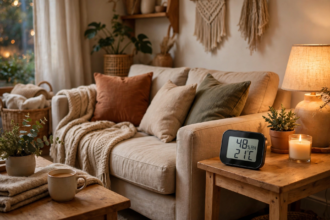
- How can I measure my home’s humidity?
- Does an air conditioner lower humidity?
- Can low humidity make you sick?
- Keep It Between 30 and 50
That range isn’t arbitrary. However, below 30%, air dries out your skin, irritates your airways, and fills the house with static shocks. Above 60%, mold, dust mites, and musty smells move in. The 30-50% band is therefore where both sets of problems stay away. Thus, this guide breaks down the ideal level by season and room, shows you how to measure it, and explains exactly how to fix it when it’s off.
What Is a Comfortable Humidity Level? The EPA Answer
The U.S. Environmental Protection Agency is refreshingly direct on this topic. Specifically, keep indoor relative humidity below 60%, ideally between 30% and 50%. That’s the number building scientists, HVAC engineers, and mold remediation pros all quote, because it comes from the EPA’s own mold prevention guidance.
Why a range instead of one magic number? Because you’re balancing two opposite risks. Too much moisture feeds mold and dust mites. Too little moisture punishes your skin, your sinuses, and your wood furniture. In fact, the 30-50% band threads the needle between them.
For most households, 45% is the practical year-round target. It sits comfortably inside the EPA band. In other words, normal daily swings won’t push you into trouble. If your humidistat only accepts one setting, indeed, 45% is the number to enter.
What Happens When Humidity Leaves the Comfort Zone
Humidity problems announce themselves, though not always obviously. Here’s what each extreme does to your home and health.
Too High: Above 60%
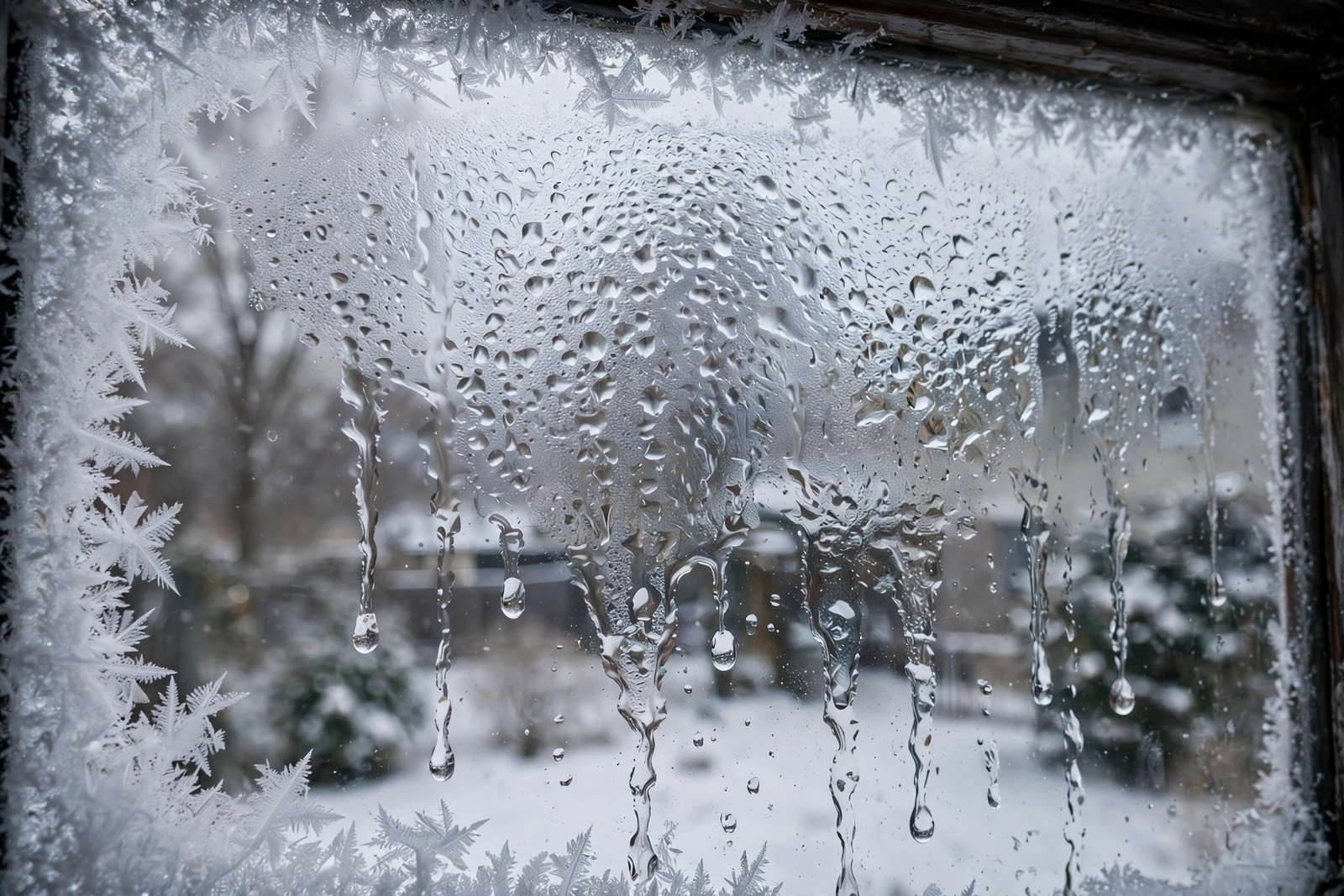
High humidity is the more destructive extreme. For example, mold can colonize a persistently damp surface within 24 to 48 hours, which is faster than most people expect. Dust mites also thrive above 50%. If their debris is adding to household dust, see whether an air purifier helps with dust. As a result, you’ll notice condensation on windows, musty odors, peeling paint, and a general clammy feeling that no thermostat setting fixes.
However, there’s a hidden cost too. Humid air makes your air conditioner work harder, since the system must remove moisture as well as heat. In fact, a house stuck at 65% humidity will feel uncomfortable even at 72°F, and your energy bill will show it.
Too Low: Below 30%
Dry air, however, is less dramatic but still miserable. Skin cracks, lips chap, noses bleed, and throats turn scratchy overnight. Static electricity zaps you at every doorknob. As a result, wood floors shrink and gap, furniture joints loosen, and musical instruments can crack. In winter, dry air can even make you feel colder than the thermostat says, tempting you to crank the heat and waste energy.
Respiratory irritation is the sleeper issue. Dry mucous membranes defend poorly against viruses, which is one reason winter colds spread easily in overheated, under-humidified homes. Keeping winter humidity near 35-40% helps your airways do their job.
Comfortable Humidity Level by Season
One setting doesn’t fit all seasons, because outdoor air changes the equation. Cold winter air holds almost no moisture, which means heating it drops indoor RH sharply. Summer air arrives loaded with moisture. Adjust your target through the year.

Table: Ideal indoor humidity by season
| Season | Target range | Why |
|---|---|---|
| Winter | 30-40% | Prevents window condensation and mold on cold surfaces |
| Spring | 35-45% | Balances comfort as heating winds down |
| Summer | 40-50% | Keeps rooms crisp and blocks mold growth |
| Fall | 35-45% | Eases the transition as heating season starts |
Winter deserves special attention. When it’s freezing outside, even 40% indoor humidity can condense on cold window glass. Here’s a rule of thumb HVAC techs use: for every 10 degrees the outdoor temperature drops below freezing, lower your indoor target by about 5%. At 20°F outside, aim for 35%. Near 0°F, drop toward 25-30%. Your windows will tell you if you’re too high; fogging means dial it back.
Summer is simpler. Let the air conditioner do its dehumidifying work and target 40-50%. If the house still feels sticky at 45%, the AC may be oversized and short-cycling, cooling too fast to wring out moisture. That’s an equipment sizing issue, not a settings issue.
Comfortable Humidity Level by Room
Different rooms have different moisture stories. Bathrooms spike during showers. Basements run damp year-round. Bedrooms matter most for sleep. A single whole-house number is a good start, yet room-level targets get you real comfort.
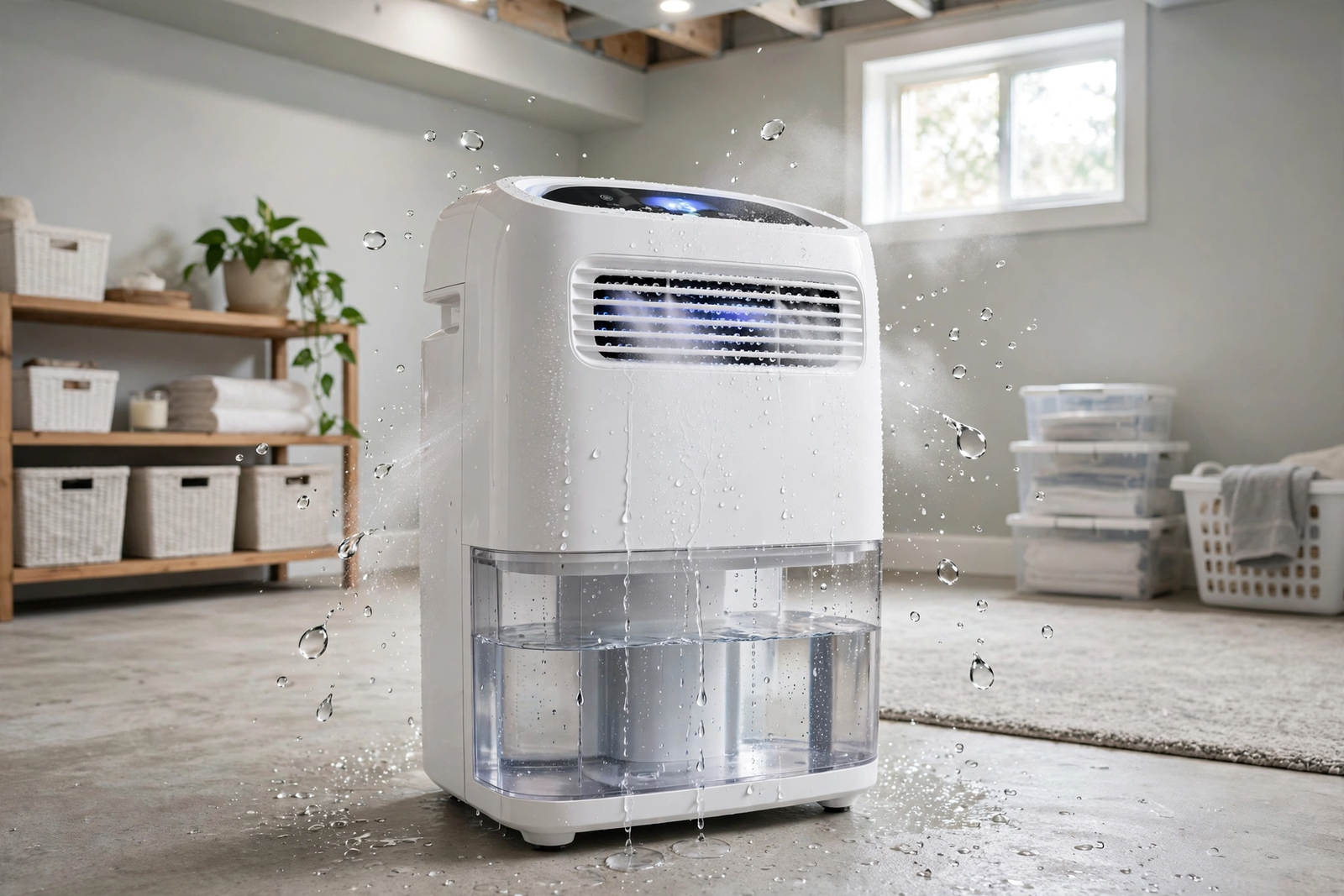
Table: Ideal humidity by room
| Room | Target range | Notes |
|---|---|---|
| Living room | 30-50% | Main comfort zone; follow the seasonal chart |
| Bedroom | 40-50% | Best for sleep; dry air disrupts rest |
| Bathroom | Below 50% after showers | Spikes are fine if the fan clears them fast |
| Kitchen | 40-50% | Use the range hood when cooking |
| Basement | 30-50% | Never let it sit above 50%; mold loves basements |
| Nursery | 40-50% | Pediatricians favor this band for babies |
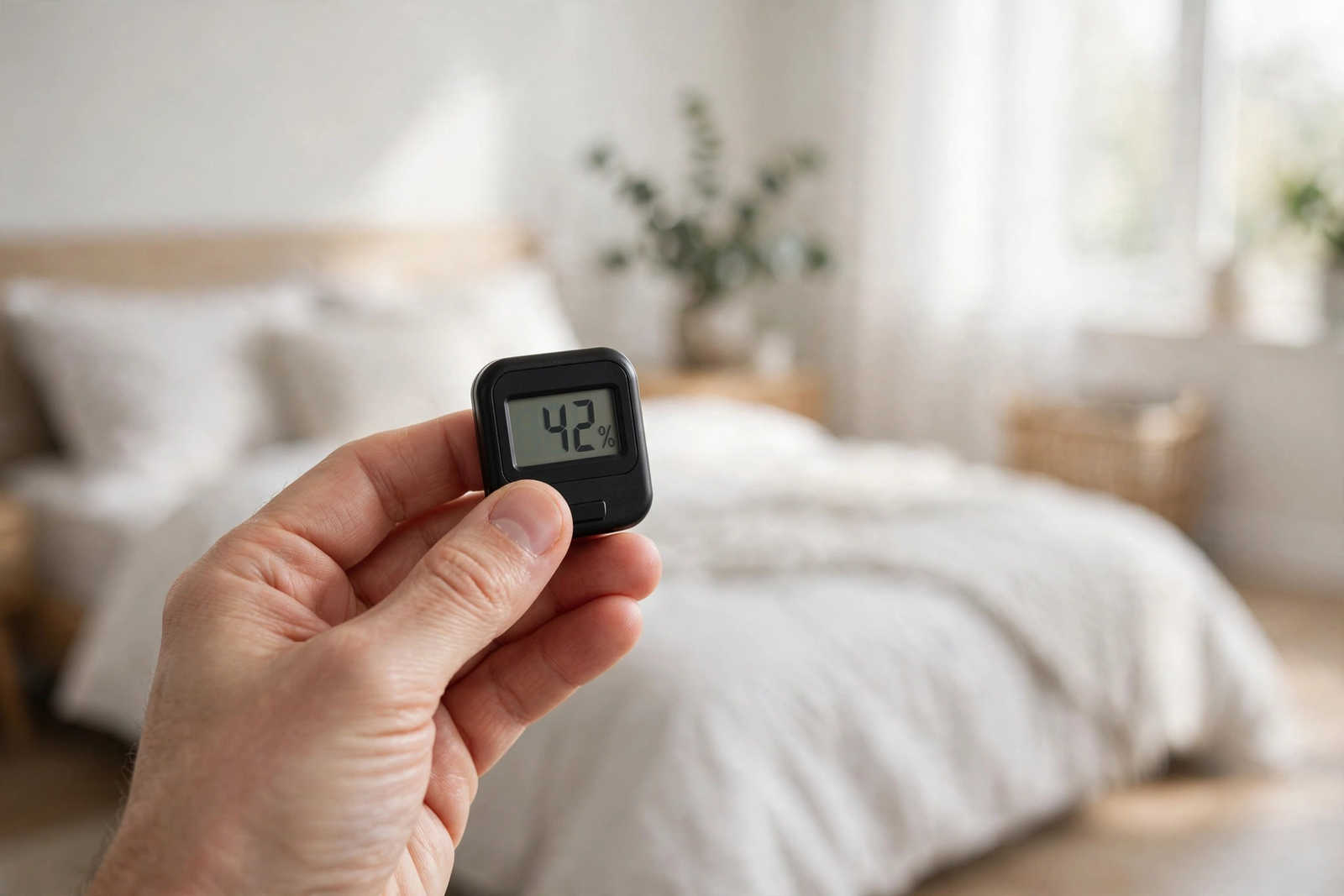
The bedroom deserves emphasis. The ideal bedroom humidity for sleep sits between 30% and 50%, with 40-50% feeling best to most people. Too dry and you’ll wake with a scratchy throat, yet too damp leaves the sheets feeling clammy. Since you spend a third of your life there, a $15 hygrometer on the nightstand is money well spent.
Basements are the usual trouble spot. Cool basement walls plus warm moist air equals condensation, and condensation equals mold. If your basement still hovers above 50% all summer, a dedicated dehumidifier isn’t a luxury; it’s preventive maintenance. In contrast, living rooms usually track the whole-house average without drama.
Signs Your Home’s Humidity Is Off
You don’t need instruments to spot the obvious cases, though a hygrometer confirms what your senses suspect.
Too humid looks like this: foggy windows, musty smells, visible mold or mildew in corners, peeling paint, warped wood, and a sticky feeling on skin and furniture. If your bathroom mirror stays fogged long after a shower, the exhaust fan isn’t keeping up. Meanwhile, a dehumidifier bucket that fills daily is screaming that the house has a moisture load problem.
Too dry looks like this: static shocks, cracked skin and lips, frequent nosebleeds, scratchy morning throats, gaps in wood floors, and houseplants with brown leaf tips. If you get zapped every time you touch a doorknob in January, your winter humidity has crashed below 30%.
One subtle sign people miss: worsening allergies without an obvious cause. Dust mites thrive above 50% humidity, and their waste is a potent allergen. If allergy symptoms flare at home but ease elsewhere, high humidity might be the hidden driver. An air purifier can help with the allergens themselves, though fixing the moisture is the real cure.
How to Raise Humidity When Air Is Too Dry
Winter dryness is the most common complaint, and it’s fixable at several levels.
For example, a portable humidifier is the quick answer for one room. Ultrasonic cool-mist models are quiet and cheap, while evaporative models self-regulate and can’t over-humidify as easily. Whichever type you buy, clean it weekly. In fact, a dirty humidifier sprays bacteria and mineral dust into the air, trading one problem for another.
For whole-house dryness, a furnace-mounted humidifier beats running three portable units. It ties into your HVAC system and maintains the setpoint automatically through the heating season. If you go this route, service it yearly; clogged pads and moldy reservoirs are the usual failure modes.
Free tricks help at the margins. Leave the bathroom door open after hot showers. Then dry laundry on an indoor rack in winter, and simmer a pot of water while cooking. Houseplants release moisture too, though you’d need a jungle to move the needle much. These habits won’t fix a house at 20% humidity. Instead, they nudge a borderline 32% toward comfort.
How to Lower Humidity When Air Is Too Damp
First, start with the moisture sources before buying equipment. Also run the bathroom exhaust fan during showers and for 20 minutes after. Next, use the kitchen range hood when boiling water. Fix plumbing leaks promptly. Otherwise, a slow drip under a sink can humidify a whole cabinet. Vent the clothes dryer outdoors, not into the room.
For example, a portable dehumidifier is the workhorse for damp basements and stubborn rooms. Size it to the space. For instance, a 30-pint unit suits most basements, while larger or very wet spaces need 50 pints or more. Then empty the bucket regularly or hook up a drain hose, because a full bucket means an idle machine. Expect it to pull the most water in the first week as it works through the backlog.
Your air conditioner already dehumidifies, so make sure it’s actually doing the job. Also clean or replace the filter monthly in summer, since a clogged filter chokes airflow and kills moisture removal. If the house cools fast but stays clammy, ask an HVAC tech about the system’s sizing and fan speed; sometimes slowing the blower lets the coil wring out more water.
Don’t overlook ventilation. A house sealed tight with no fresh air exchange traps every shower, boil, and breath indoors. A bathroom fan that actually vents outside (not into the attic) is the single most valuable moisture device in most homes. You can test yours with a tissue: hold it to the grille while the fan runs. If the fan holds the tissue in place, it’s moving air. If the tissue falls, the fan is decorative.
FAQs
What is the best humidity level for a house in winter?
Specifically, aim for 30-40% in winter. Cold outdoor air holds little moisture, which means heated indoor air dries out fast. Going above 40% when it’s freezing outside causes condensation on windows, which can grow mold on sills and frames. Then drop toward 30% during deep freezes. A hygrometer near a window tells you exactly where you stand.
Is 60% humidity too high indoors?
Yes, 60% is the line the EPA says not to cross. Above it, mold risk climbs sharply, dust mites multiply, and rooms feel clammy. Brief spikes after a shower are fine if they fall back quickly. But if your home sits at 60% or higher for days, run a dehumidifier or improve ventilation until you’re back in the 30-50% band.
What humidity level is best for sleep?
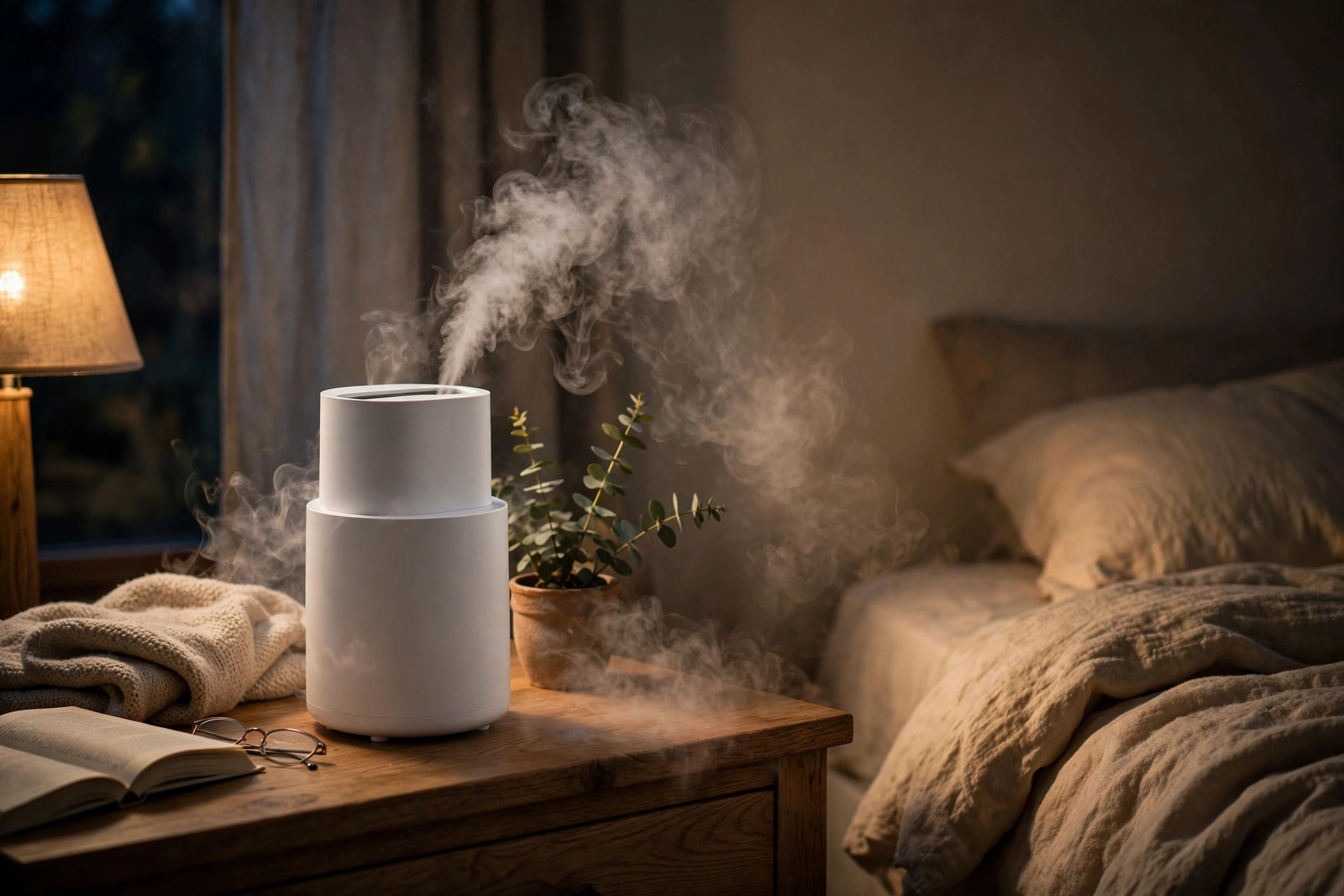
Most people sleep best at 40-50% bedroom humidity. In that band, airways stay moist without the clammy-sheet feeling that damp air brings. Below 30%, you’ll likely wake with a dry mouth and scratchy throat. Above 55%, sleep gets restless. A small bedroom humidifier or dehumidifier, guided by a nightstand hygrometer, dials it in.
How can I measure my home’s humidity?
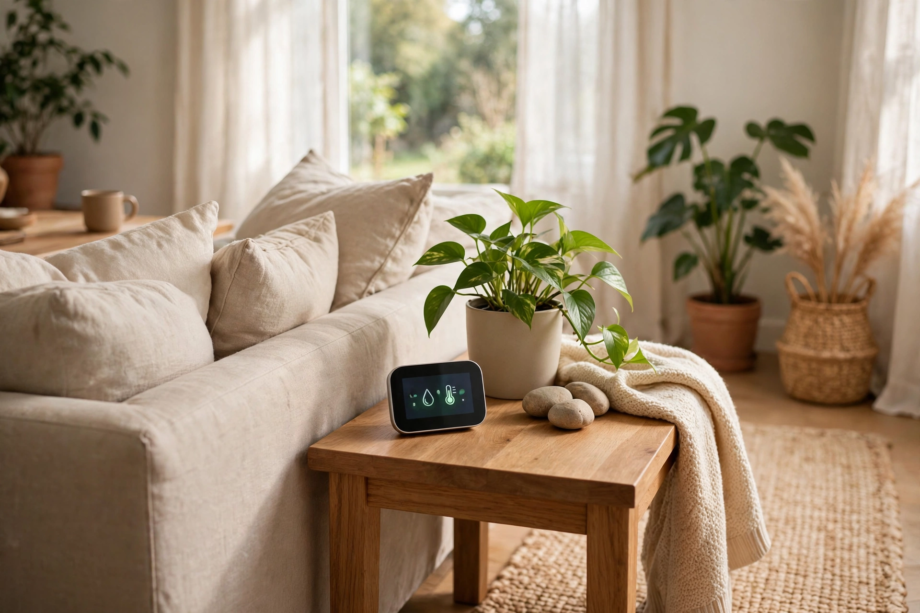
First, buy a digital hygrometer for about $15 at any hardware store like Home Depot. Place it at chest height mid-room, away from vents and windows, since those skew readings. Check bedrooms, basements, and bathrooms at different times. Many smart thermostats also show humidity; if yours looks wrong, resetting a Honeywell thermostat can rule out a glitch.
Does an air conditioner lower humidity?
Yes, air conditioners dehumidify as they cool. Warm indoor air passing over the cold evaporator coil sheds moisture, which drains away. That’s why a properly sized AC leaves the house feeling crisp, not just cold. However, an oversized unit cools too fast and shuts off before removing much moisture, leaving rooms clammy.
Can low humidity make you sick?
Low humidity doesn’t directly cause illness, but it weakens your defenses. Dry air cracks skin, irritates sinuses, and dries the mucous membranes that trap viruses. Studies link very dry indoor air to faster spread of respiratory infections. Keeping winter humidity around 35-40% helps your airways stay moist and better able to fend off germs.
Keep It Between 30 and 50
What is a comfortable humidity level? The EPA’s 30-50% band, with 45% as the easy year-round pick. Below it lies dry skin and static; above it lurk mold and mites. Seasons and rooms shift the ideal a few points either way, but the band itself rarely steers you wrong.
Start with a $15 hygrometer from Home Depot and a week of readings before changing anything. Most humidity problems turn out to be simple: a bathroom fan that vents nowhere, a clogged AC filter, or a winter setting left at summer levels. Fix the obvious, measure again, and enjoy air that finally feels the way it should.