



Great movie room ideas do not need a spare mansion wing or a cinema sized budget. A small corner, a spare bedroom, or a living room end can all become a cozy place for film nights. What matters is darkness, comfort, and sound that wraps around you. This guide shares practical ideas for rooms of every size.
- Start With the Space You Already Have
- Small Home Theater Ideas That Feel Big
- Movie Theater Room Ideas for Families
- Homemade Movie Theater on a Budget
- Seating Layouts for Every Room Shape
- Lighting, Sound, and Atmosphere
- Themed Movie Rooms With Personality
- Small Movie Theater Room Ideas for Bedrooms and Corners
- Frequently Asked Questions
- What is the cheapest way to make a movie room?
- Can a small room work as a movie room?
- Do I need a projector for a movie room?
- How do I reduce echo in a movie room?
- What seating is best for a family movie room?
- How can I make a movie room feel like a cinema?
- Your Next Step
Start With the Space You Already Have
Look around your home before you dream about a new room. That spare bedroom, the quiet end of a living room, or even a wide basement corner may already hold a movie room. The best room is often the one you can darken easily and sit in without blocking a walkway. A room you already use beats a perfect room you never finish.

Measure the space and note where light enters at night. Evening light through a west window can wash out a screen, while a north facing room stays darker. Blackout curtains fix most light problems for little money, so do not reject a room just for its windows. Test the room after dark with a lamp off and a phone torch on the screen wall to see glare spots.
Ask who will use the room and when. Kids want floor cushions and easy snacks. Adults want proper back support and quiet. A shared family room needs flexible seating that works for homework by day and films by night. Write a short list of must haves, and let it guide spending instead of a photo you saw online.
Small Home Theater Ideas That Feel Big
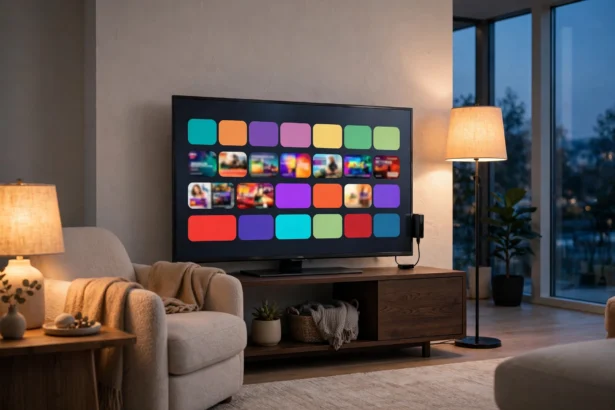
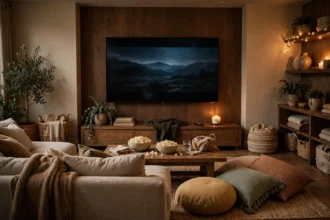
Small home theater ideas work best when every item earns its place. A wall mounted TV saves floor space, and a low media unit keeps remotes and consoles tidy. Wall hugger recliners or a deep loveseat give comfort without swallowing the room. Skip bulky cabinets, and let the screen and seats own the space.
Short throw projectors suit small rooms well, since they sit close to the wall and still throw a large image. If your room is very short, though, a 55 or 65 inch TV may look sharper and cost less. Judge by your seating distance, not by the size of the screen in the shop. Sit about one and a half to two times the screen width away for a comfortable view.
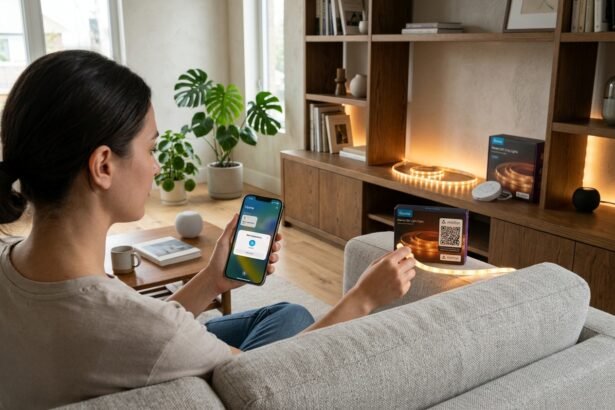
Color and light make a small movie theater room feel larger, not smaller. Dark matte paint on the screen wall adds cinema depth, while lighter side walls keep the room from feeling like a box. LED strips behind the screen give a soft halo that makes the picture pop. Mirrors opposite the screen are a bad idea, since they bounce light and distract.
Movie Theater Room Ideas for Families
A family movie room should invite sprawling. Layer seating: a sofa for adults, floor cushions or bean bags for kids, and a couple of throws for cold evenings. A low table holds popcorn and drinks without blocking the view. Keep a basket for remotes and controllers, since a tidy room gets used far more than a cluttered one.

Build a simple snack corner. A small cart with popcorn, drinks, and a bin saves trips to the kitchen during the film. Keep food away from speakers and vents, and choose washable cushion covers if young kids share the room. The goal is a room that survives real family life, not one that needs a warning sign at the door.
Let kids help choose one fun detail, like posters of their favorite films or a sign with the room name. A room children helped build gets used more, and they learn to look after it. Keep the rest of the design calm and adult friendly, so the room still feels good for a late film after bedtime.
Homemade Movie Theater on a Budget
A homemade movie theater can start with gear you already own. A laptop or streaming stick, a TV you have, and a decent soundbar already deliver a film night. Add blackout curtains first, since darkness improves any picture more than a new screen does. Then add a rug, which softens echo and warms the room underfoot.
Next, upgrade sound before picture. A soundbar with a subwoofer changes films more than a slightly larger TV, and it costs less. When funds allow, move to a 5.1 speaker set with a receiver. Buy in stages, and enjoy each upgrade for a few films before you spend again. That pace keeps the hobby fun instead of stressful.

DIY touches add charm for little money. Paint one wall dark, hang a few framed posters, and run LED strips behind the TV. A pallet platform with cushions can make a raised back row in a larger room, but check it is stable and safe before anyone sits on it. Simple, solid builds beat ambitious ones that wobble.
Seating Layouts for Every Room Shape
Have you ever sat in the worst seat at a friend movie night? Layout prevents that. In a narrow room, a single row of three seats or a sofa facing the screen works best. In a wide room, a curved row or an L shaped sofa lets more people see well. Leave a walkway so no one climbs over others.
For two rows, raise the back row about seven inches on a stable platform. That lift clears heads and gives the room a cinema feel. Test every seat with a full film, not just a glance. The back corner often hides a blocked view or a glaring lamp that the middle seats never show.
Flexible seating suits shared rooms. A sofa bed lets the room host guests. Folding chairs stack away when the room returns to daily use. Floor cushions store in a basket. A movie room that adapts to the household gets used on weekdays too, not just on special nights.
Lighting, Sound, and Atmosphere
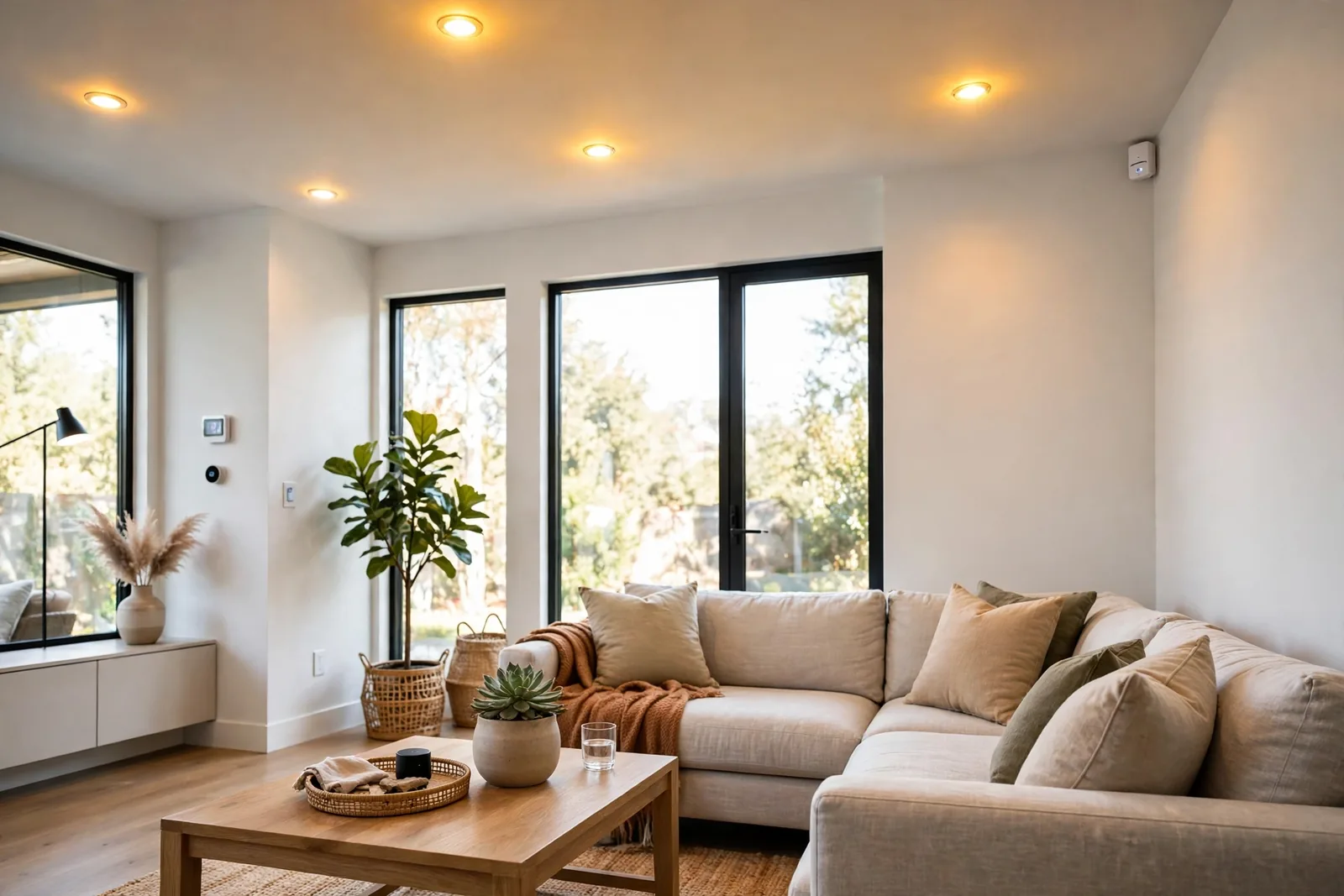
Lighting makes or breaks the mood. Bright overhead lights flatten the picture and kill the cinema feel. Use layered light instead: dimmable ceiling lights for tidying, wall sconces for a soft glow, and LED strips for a halo behind the screen. Step lights along a walkway help kids move safely in the dark.

Smart scenes take the hassle out of lighting. One tap can dim the room and switch on the screen glow when a film starts. You can set up lighting scenes in the Google Home app and trigger them by voice, which beats hunting for switches once the lights go down.
Sound needs soft surfaces. A thick rug, heavy curtains, and fabric seats absorb echoes that make dialogue harsh. Place front speakers at seated ear height and surrounds to the sides or slightly behind, a little above ear level. If echo remains, add fabric panels on side walls at the spots where sound first reflects.
Themed Movie Rooms With Personality
A theme gives a movie room its own character. A classic cinema theme uses deep red accents, gold framed posters, and a popcorn cart. A cozy cabin theme uses warm wood, soft lamps, and plaid throws. A modern theme uses clean lines, dark grey walls, and hidden gear. Pick one theme and repeat it in small touches, not in every object.
Movie theater ideas at home often go wrong by adding too much. Ten posters, three signs, and a pile of props turn a room into a shop display. Choose two or three strong pieces, like one large poster, a named sign, and a snack cart. The rest of the room should stay calm, so the film stays the star.
Personal touches matter most. Frame ticket stubs from a first date film, hang art your kids made about their favorite story, or name the room after a family joke. Those details make the room yours in a way no catalog can copy, and guests remember them long after the credits roll.
A movie room can earn its keep on non film nights too. Use it for game nights with friends, sports with the family, or a quiet reading corner with a lamp and a good chair. A console or a streaming stick already covers most of these uses, and a sofa bed turns the room into a guest space. Rooms that serve many purposes get used daily, which makes every upgrade feel worth it.
Small Movie Theater Room Ideas for Bedrooms and Corners
A bedroom can host a small home movie theater with little change. Mount the TV on the wall opposite the bed, add blackout curtains, and use a soundbar for clear dialogue. A projector works too if the bed to wall distance suits the throw. Keep gear simple, since a bedroom must still work for sleep.

A living room corner can work as a movie nook. Angle a loveseat toward the TV, add a floor lamp with a dimmer, and keep a basket of throws nearby. A room divider or a tall bookshelf can mark the movie zone without building walls. That gentle boundary helps the brain switch into film mode.
Table: Movie room ideas by space available
| Space | Best screen | Seating idea | Key extra |
|---|---|---|---|
| Bedroom corner | Wall mounted TV | Bed plus floor cushions | Blackout curtains |
| Small spare room | TV or short throw projector | Loveseat or recliners | LED strip glow |
| Family living room | Large TV | Sofa plus bean bags | Snack cart |
| Dedicated room | Projector and screen | Two rows with riser | Acoustic panels |
A small home theater does not need to stay small in feeling. Darkness, soft sound, and seats people love make a modest room feel like an event. Start with those three, and add style touches as you learn what your household enjoys most. If you later add surround speakers, Dolby speaker setup guides show the standard angles for each layout.
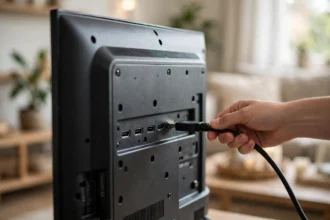
Keep cables tidy from the start, since a movie room with wires across the floor feels unfinished and trips guests in the dark. Run cables along baseboards in covers that match the wall, label each one, and leave a little slack behind the TV. A tidy setup also makes it easy to swap a streaming box or add a console later.
Frequently Asked Questions
What is the cheapest way to make a movie room?
Start with what you own: a TV, a streaming stick, and a sofa. Add blackout curtains, which improve the picture more than any cheap screen upgrade. Then add a rug and a soundbar. That simple set already feels like a movie room for a modest spend.
Can a small room work as a movie room?
Yes, small rooms often work best, since sound fills them easily and darkness is easier to control. Use a TV or short throw projector matched to your seating distance, wall hugging seats, and layered lighting. Keep furniture low and simple so the room feels open.
Do I need a projector for a movie room?
No, a projector is nice but not required. A large TV gives a bright, sharp picture and works in rooms with some daylight. Choose a projector only if your room goes dark and has enough throw distance for the screen size you want.
How do I reduce echo in a movie room?
Add soft surfaces first: a thick rug, heavy curtains, and fabric seating. If echo remains, place fabric panels on the side walls where sound reflects first. Bare floors and empty walls echo most, so every soft layer helps dialogue sound clear.
What seating is best for a family movie room?
Layered seating works best: a sofa for adults, floor cushions or bean bags for kids, and throws for comfort. Washable covers help with spills, and a low table keeps snacks close without blocking the screen. Comfort matters more than matching chairs.
How can I make a movie room feel like a cinema?
Darkness, layered lighting, and good sound create the cinema feel. Blackout curtains, LED strips behind the screen, and a soundbar or surround set do most of the work. Add one themed touch, like a poster or a snack cart, and keep the rest calm.
Your Next Step
Pick one corner or room this weekend, hang blackout curtains, and watch a film there with the lights low. That single test tells you what the space needs next, whether it is better sound, comfier seats, or just a rug. Movie room ideas only matter when they turn into movie nights, so start with the film, not the shopping list.