



Wake Up Without the Jolt
A sunrise alarm light setup replaces the sudden alarm blast with light that grows slowly, like a real dawn. Your smart bulb starts dim and warm, then brightens over 20 to 30 minutes. By the time your backup alarm sounds, you’re already half awake.
- Wake Up Without the Jolt
- What You Need for a Sunrise Alarm Light Setup
- Step by Step: Build the Routine
- Step 1: Pick Your Wake Time and Work Backwards
- Step 2: Set the Fade Duration
- Step 3: Set the Color Journey
- Step 4: Set the End Brightness
- Step 5: Add a Backup Sound
- Placement: Where the Light Goes Matters
- Match the Routine to Your Platform
- Sunrise Bulb Routine vs a Dedicated Wake-Up Clock
- Troubleshooting: Why Your Sunrise Feels Wrong
- You Wake Up Before the Fade Finishes
- You Sleep Straight Through It
- The Bulb Pops On at Full Brightness
- FAQs
- How long should a sunrise fade be?
- Can a smart bulb replace a sunrise alarm clock?
- What color should the light start and end at?
- Will a sunrise alarm wake my partner too?
- Do I still need a sound alarm?
- Does a sunrise alarm help in winter?
- Start Tomorrow Morning
A normal alarm does nothing until it screams. So your body goes from deep sleep to full panic in one second. That groggy, heavy feeling afterward has a name: sleep inertia. It can linger for an hour, and coffee only hides it.
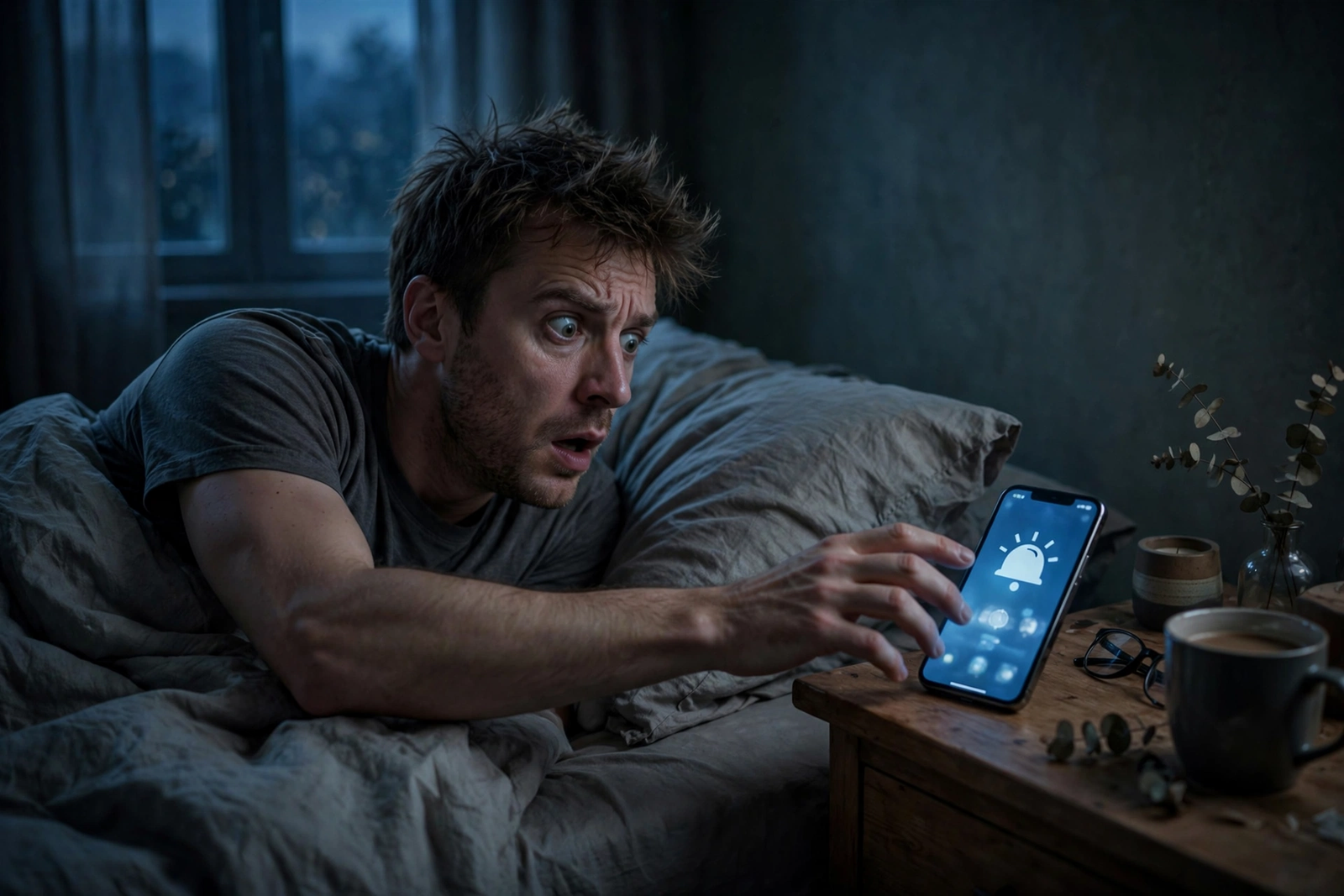
Light works earlier and gentler. It reaches your eyes through your eyelids, so the wake-up process starts before you are fully conscious. In one lab study, a 30-minute artificial dawn left people feeling less sleepy and more alert than a sudden alarm. Another study measured about 13 percent more cortisol in the first 45 minutes after dawn-simulated waking, and that morning cortisol pulse helps your brain switch on.
It also works on dark winter mornings, when the real sun shows up hours after your alarm. Your body can’t tell the difference between a bulb’s dawn and the sky’s dawn at 6 a.m. in January. Both send the same signal: night is over, start the day.
What You Need for a Sunrise Alarm Light Setup
You probably own most of this already. A sunrise routine needs a dimmable smart bulb, a lamp in the right spot, and an app that can run a timed fade. Dedicated sunrise clocks exist, but a bulb you already have does the same job for free.
- A tunable white or color smart bulb that dims smoothly down to about 1 percent.
- A bedside lamp, or a ceiling fixture that actually lights the bed.
- The bulb maker’s app, or a platform like Google Home, Alexa, or Home Assistant.
- A backup sound alarm on your phone or smart speaker, set for the final wake time.
Bulb quality decides how gentle the fade feels. Cheap bulbs often jump from off to 10 percent in one step, which can wake you early. Our roundup of the best circadian rhythm smart bulbs for the bedroom flags the models that dim smoothly at the lowest levels.
Step by Step: Build the Routine
Step 1: Pick Your Wake Time and Work Backwards
First, decide when you must be out of bed. That is your end time, not your start time. If you need to be up at 7:00 a.m. with a 30-minute fade, the bulb starts its work at 6:30 a.m. Set the routine to repeat on your workdays, so you never rely on remembering it the night before.
Weekends deserve a thought as well. Sleeping in under a dark room while your routine fires at 6:30 will annoy you by Saturday. Most apps let you pick which days a routine runs. Keep the same wake time within an hour, though, because a wild weekend shift makes Monday’s fade feel useless.
Step 2: Set the Fade Duration
Next, set the fade to 30 minutes as your starting point. Shorter fades feel more like a normal lamp switching on. Longer fades feel softer, yet they can wake light sleepers too early. Thirty minutes is the length used in much of the dawn simulation research, so it is a sensible default.
Table: Choosing your fade duration
| Duration | How It Feels | Best For |
|---|---|---|
| 10 minutes | A quick, noticeable lift | Heavy sleepers with a backup alarm |
| 20 minutes | Balanced and forgiving | Most people, most bedrooms |
| 30 minutes | The gentlest standard option | Dark rooms and winter mornings |
| 45 to 60 minutes | Very slow, barely noticeable | Light sleepers and shift rest days |
Run your first choice for three mornings before you change it. Your body needs a few repeats to learn the pattern. Then adjust the duration by ten minutes at a time, because small changes are easier to judge than a full rebuild.
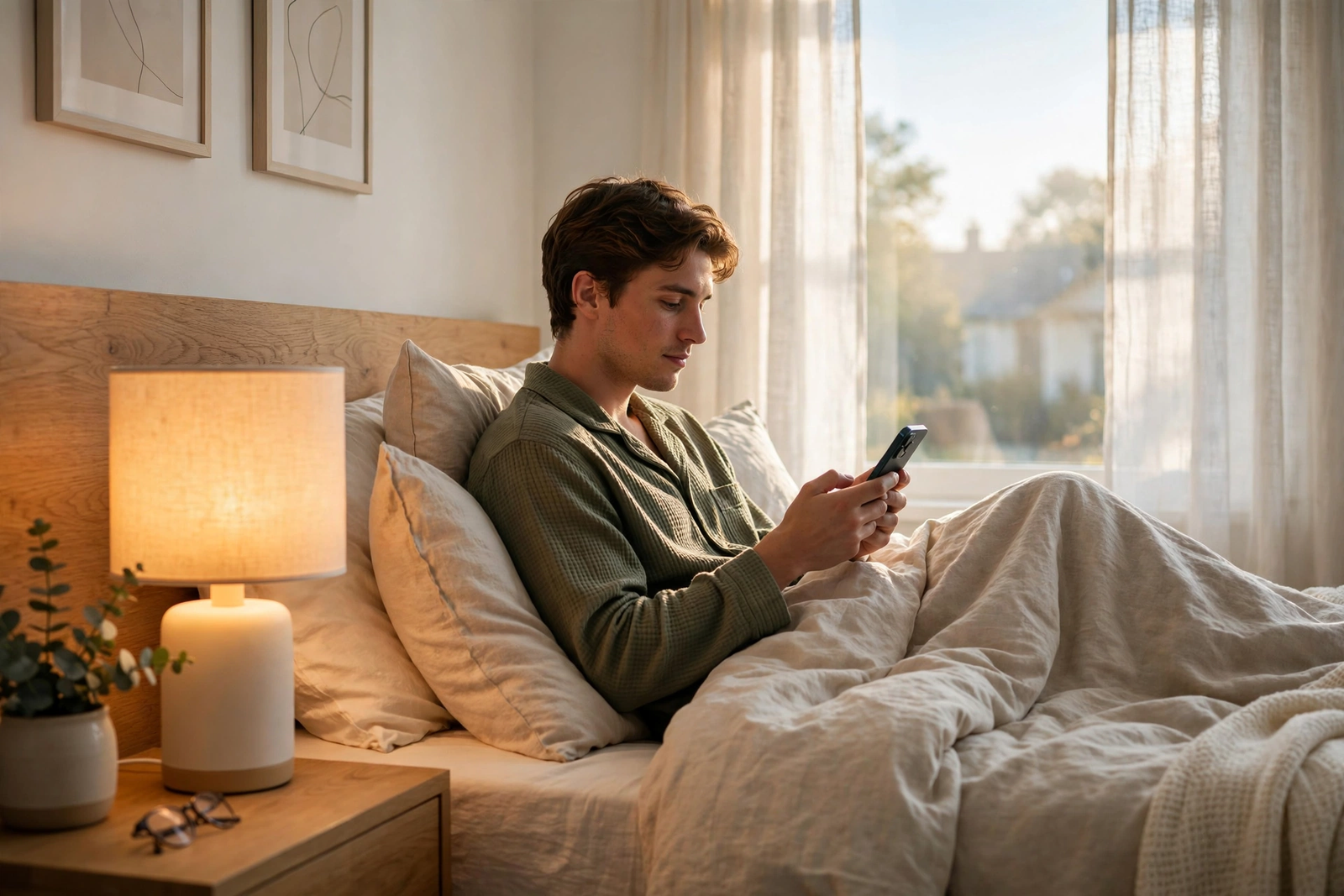
Step 3: Set the Color Journey
Then set the color path. Start at the warmest setting your bulb offers, near 2200K or a deep amber. End at a bright, neutral white around 4000K to 5000K. The warm-to-cool shift copies what the sky does, and your brain reads it as morning arriving.
If you want to understand where each temperature works best, our guide to the best color temperature for sleep at night covers the warm end of the range in detail.
Step 4: Set the End Brightness
After that, set how bright the light gets at the end. Aim for roughly 200 to 300 lux at your pillow. In my bedroom, one 800-lumen bulb in a bedside lamp gave about 120 lux at the pillow. Adding the ceiling light on the same routine pushed it past 250 lux, and that was the version that actually woke me.
Step 5: Add a Backup Sound
Finally, keep a gentle sound alarm at the end time. A soft tone or quiet radio works better than a harsh buzzer. Most people find the light does the real work after a week or two. Still, the backup protects you on the mornings after a late night.
Placement: Where the Light Goes Matters
A bedside lamp beats a ceiling light for most people. The lamp sits closer to your eyes, so more of its light reaches you. It also lights your face instead of the top of the wardrobe. If your lamp points at a wall, turn it or swap the shade.
Shades eat more light than you expect. With a thick fabric shade, my pillow reading dropped from about 180 lux to near 90. The routine looked right in the app, yet my eyes got half the signal. A open-top shade or a bare bulb fixture fixed it the same evening.
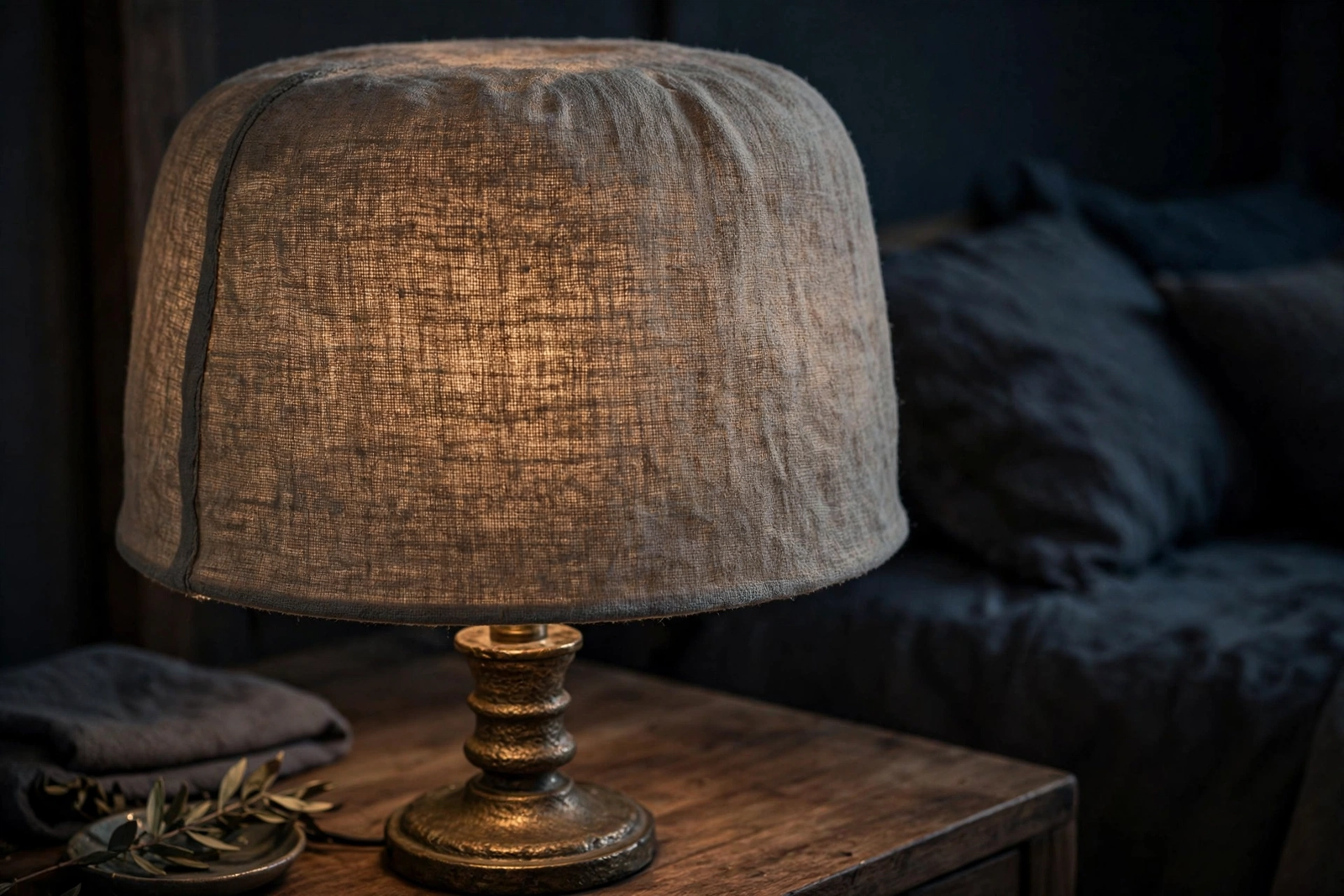
Small lamps often use small bulbs, too. Many bedside lamps take an E12 candelabra base, and our E12 smart bulb Google Home guide shows how to pick and pair those without replacing the lamp.
Ceiling lights still have a role. On their own, they light the room evenly but reach your closed eyes weakly from above. As part of a team, though, they lift the whole room once the lamps have done the gentle part. Deep sleepers often need that second stage. If you use the ceiling light, delay its start by ten minutes so the lamps lead the wake-up.
Match the Routine to Your Platform
Philips Hue owners get the easiest path. The Hue app has a built-in Wake Up routine with a natural fade, and Philips Hue’s own wake-up guide suggests starting 20 to 30 minutes before your alarm. Google Home and Alexa can do it too, through scheduled routines that raise brightness in steps.
Home Assistant users can go further. Our circadian lighting Home Assistant setup shows how to tie the wake fade to your alarm clock and even to sunrise itself.
The platform matters less than the fade itself. What changes is where you build the routine and how much control you get. Bulb apps are fastest to set up. Voice platforms add alarms, music, and news to the same routine. Home Assistant goes deepest, yet it also asks the most from you. So pick the tool you will actually open again next month.
Pair the morning with an evening fade for the full effect. The settings in our Adaptive Lighting sleep mode guide dim and warm your lights before bed, so the same system puts you to sleep and wakes you.
Sunrise Bulb Routine vs a Dedicated Wake-Up Clock
Maybe you are wondering whether to buy a dedicated wake-up clock instead. Those devices combine a lamp, a clock display, and nature sounds in one unit. They work well, and they need no app at all. For a guest room or a child’s bedroom, that simplicity is hard to beat.
The bulb routine wins on light coverage, though. A clock throws its light in one direction, from one spot on the nightstand. Two lamps on a routine spread the same dawn across the whole bed. When I tested both in the same room, the clock gave a strong pool of light near the pillow but left the far side dim. The two-lamp setup felt much closer to real daylight entering the room.
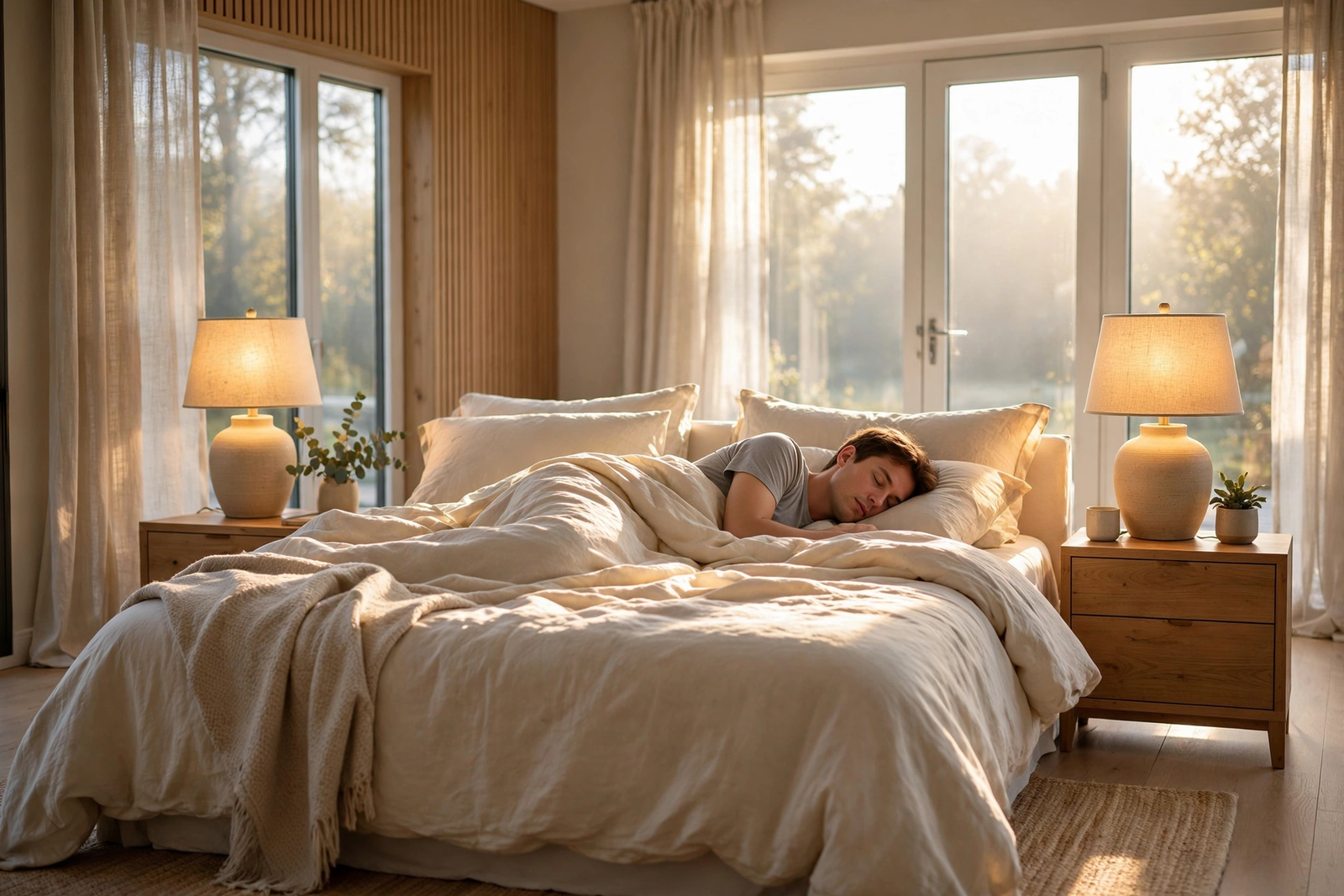
Cost points the other way for some homes. A good wake-up clock costs about the same as two quality smart bulbs. If your bedroom already has smart bulbs, the routine costs nothing extra. If it has none, the clock is one purchase instead of a small ecosystem. Either way, the fade settings in this guide apply, because the biology doesn’t care which device makes the light.
Troubleshooting: Why Your Sunrise Feels Wrong
Most sunrise problems come down to three settings: brightness, duration, and placement. The routine itself is rarely broken. Work through the three cases below in order, because the first one covers most complaints I hear from new users.
You Wake Up Before the Fade Finishes
This usually means the fade starts too bright or runs too long for you. Drop the starting brightness to 1 percent. Then shorten the fade by ten minutes. Light sleepers often do better with a 20-minute fade that stays dim until the final five minutes.
You Sleep Straight Through It
The opposite problem means your eyes never got enough light. Add a second light source, raise the end brightness, or move the lamp closer to the bed. Also check the shade problem above, because a heavy shade can quietly halve your light. If you share the bed, aim the lamp toward your side.
The Bulb Pops On at Full Brightness
This one has a boring cause. Someone turned the lamp off at the wall switch, so the bulb lost power and its schedule with it. Leave the switch on and control the bulb by app or voice instead. Smart bulbs need constant power to keep their routines alive. Annoying, but fixable in one evening.
FAQs
How long should a sunrise fade be?
Start with 30 minutes. That length matches the dawn simulation used in several sleep studies, and most people find it gentle without waking them early. If you wake before the end, try 20 minutes. If you sleep through it, keep 30 minutes and raise the end brightness instead.
Can a smart bulb replace a sunrise alarm clock?
Yes, in most bedrooms. A tunable smart bulb in a bedside lamp can run the same warm-to-bright fade as a dedicated clock. The clock wins only if you want a built-in display and sounds in one device. The bulb wins on price, because many homes already own one.
What color should the light start and end at?
Start at the warmest setting you have, around 2200K or a deep amber color scene. End at a bright neutral white, roughly 4000K to 5000K. That warm-to-cool journey copies natural dawn. Avoid ending at warm white only, because your brain reads warm dim light as evening, not morning.
Will a sunrise alarm wake my partner too?
It can, but you can soften the effect. Use a directional bedside lamp on your side of the bed and keep the ceiling light out of the routine. A shorter fade also helps. Many partners report sleeping through a 20-minute fade once they are used to it.
Do I still need a sound alarm?
Keep one as a backup, at least for the first few weeks. The light should do most of the waking once your body learns the pattern. Set the sound for your real deadline and make it gentle. If the sound becomes your only wake-up, the light is probably too dim.
Does a sunrise alarm help in winter?
Yes, winter is where it helps most. You wake before sunrise for months, so your body gets no natural dawn signal at all. A smart bulb supplies that signal on schedule. Keep your wake time steady on weekends too, because a shifting schedule weakens the effect within days.
Start Tomorrow Morning
Set the routine tonight: 30-minute fade, warm start, bright finish, backup sound at the end. Then run it for a full week before you judge it. Most people feel the difference around day three or four, when waking stops feeling like an interruption.
After that first week, tune one thing at a time. Shorten the fade, raise the brightness, or move the lamp. Small changes, tested over real mornings, get you a wake-up that finally feels like yours.