


The best energy storage companies for homes in 2026 are Tesla, Enphase, FranklinWH, Generac, sonnen, BYD, and LG. Tesla’s Powerwall 3 is the strongest pick for whole-home backup, because its 11.5 kW output runs heavy loads from one unit. Enphase, in contrast, suits homes that already have Enphase solar. The rest win in specific situations, which this guide breaks down.
- Our Top Picks at a Glance
- How We Compared These Companies
- Best Energy Storage Companies: Side-by-Side Comparison
- Tesla
- Enphase
- FranklinWH
- Generac
- sonnen
- BYD
- LG
- How to Choose: A 3-Step Sizing Framework
- Step 1: Pick your backup goal
- Step 2: Do the backup-hour math
- Step 3: Size for your solar, not just your house
- Pairing Storage With Solar and EV Charging
- What Installation Actually Looks Like
- FAQs
- Which company makes the best home battery in 2026?
- How long will a home battery last during a power outage?
- Is a bigger battery always better?
- How long do home batteries last?
- Can I add a battery to my existing solar panels?
- Do home batteries qualify for tax credits?
- Final Thoughts
Our Top Picks at a Glance
Don’t want to read the full guide? In short, here’s the quick version.
- Tesla Powerwall 3: best overall for whole-home backup. 13.5 kWh of storage and 11.5 kW of continuous power from a single unit.
- Enphase IQ Battery 5P: best for homes with Enphase microinverters. Modular 5 kWh units with a strong 15-year warranty.
- FranklinWH aPower 2: best for high-power loads. 15 kWh of storage and up to 15 kW of peak output.
- Generac PWRcell: best for off-grid and rural homes, especially with generator integration.
- sonnen: best for smart energy management and grid programs.
- BYD Battery-Box: best for scalable systems that may grow over time.
- LG RESU Prime: best value per kWh stored.
How We Compared These Companies
We looked at five things that actually matter when you buy home storage. First, usable capacity (kWh) tells you how much energy the battery holds. Second, continuous power (kW) tells you how much it can deliver at once. We also weighed warranty length, expandability, and compatibility with existing solar. Since prices vary a lot by installer and region, we give typical installed ranges rather than exact quotes. It pays to get two or three quotes before you decide.
Best Energy Storage Companies: Side-by-Side Comparison
The following table compares the flagship home battery from each company. Keep in mind, however, that “best” depends on your home. Use this as a starting point rather than a final verdict.
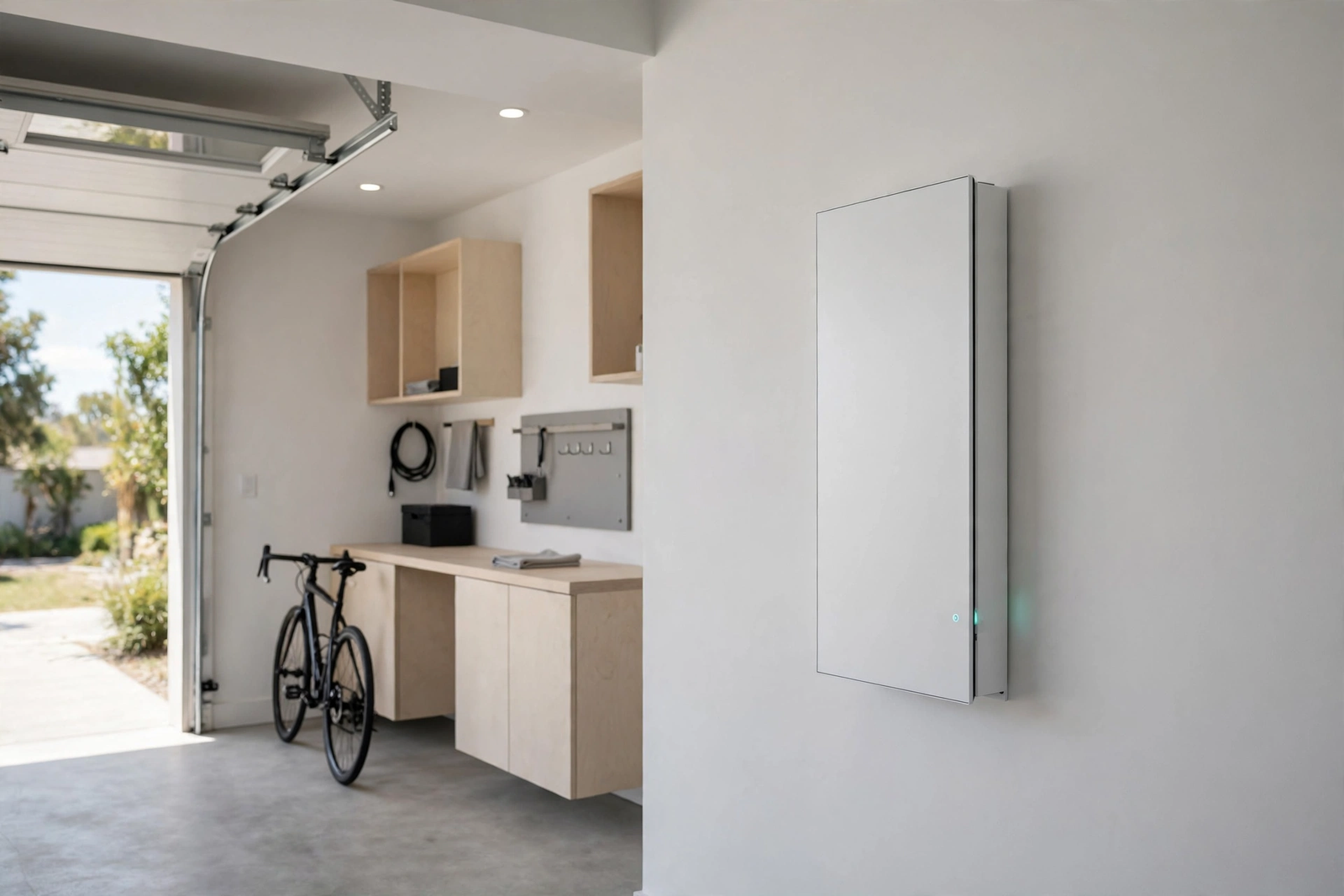
Table: Home battery comparison – leading energy storage companies in 2026
| Company | Flagship Product | Usable Capacity | Continuous Power | Warranty | Best For |
|---|---|---|---|---|---|
| Tesla | Powerwall 3 | 13.5 kWh | 11.5 kW | 10 years | Whole-home backup |
| Enphase | IQ Battery 5P | 5 kWh per unit | 3.84 kW per unit | 15 years | Enphase solar owners |
| FranklinWH | aPower 2 | 15 kWh | 10 kW | 15 years | High-power loads |
| Generac | PWRcell | Up to 18 kWh | 9 kW | 10 years | Off-grid and generator pairing |
| sonnen | sonnenBatterie | Up to 20 kWh | 7 kW | 10 years | Smart energy management |
| BYD | Battery-Box | Up to 57.6 kWh (stacked) | Up to 12.8 kW | 10 years | Scalable storage |
| LG | RESU Prime | 16 kWh | 7 kW | 10 years | Value per kWh |
Note: some figures (like Generac’s maximum capacity) depend on the exact configuration you buy. Ask your installer which version fits your panel and roof.
Tesla
Tesla’s Powerwall 3 is the home battery most installers know best. It stores 13.5 kWh, which covers the essentials of a typical home through the night and well into the next day. Its real advantage, though, is power: 11.5 kW continuous means it can run an air conditioner, fridge, lights, and a washing machine at the same time.
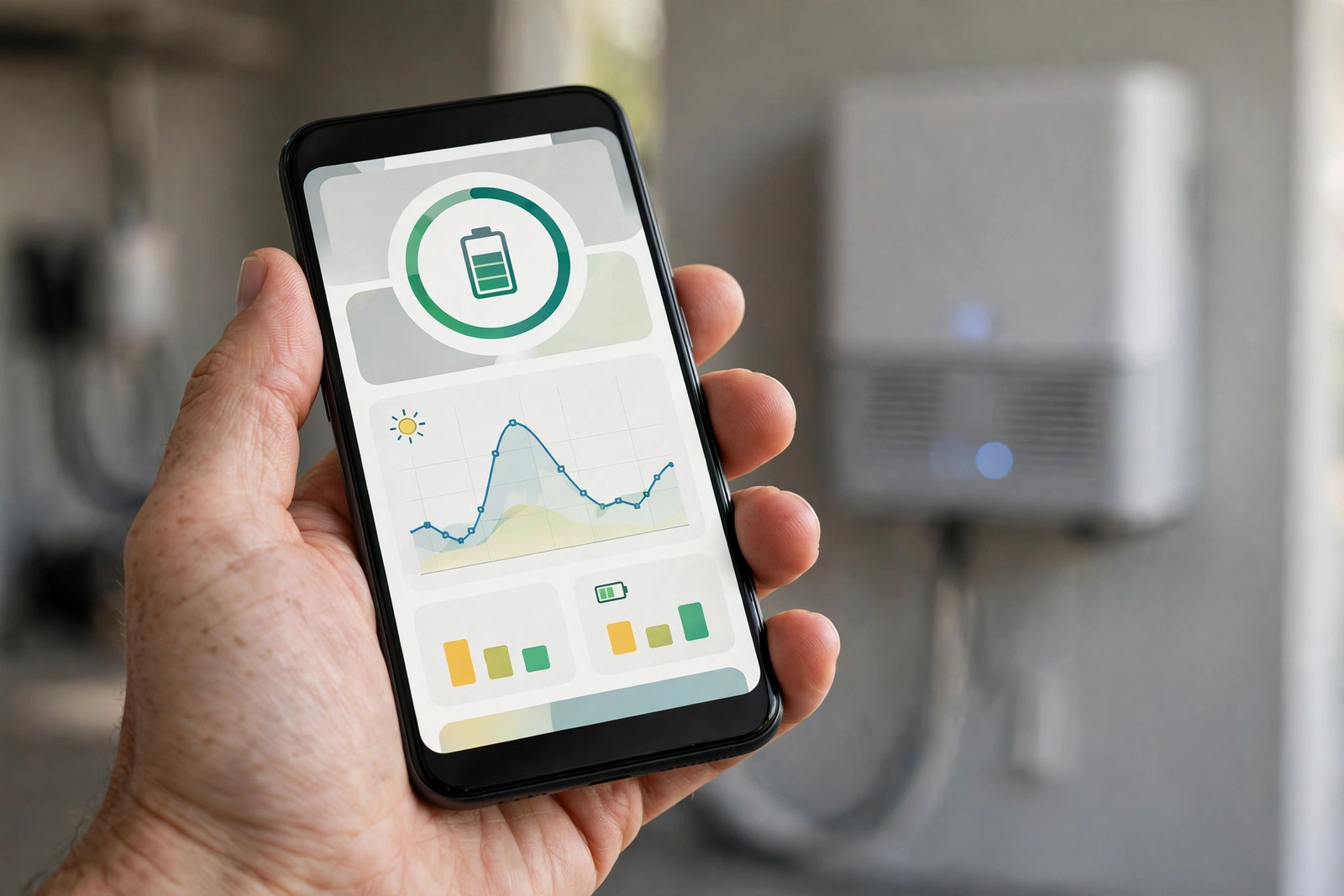
The Powerwall 3 ships with a built-in solar inverter, which simplifies installation on new solar-plus-storage projects. Because Tesla makes the battery, inverter, and app as one system, setup tends to go smoothly. Tesla is the market share leader in US residential storage, and the Tesla app is one of the most polished monitoring apps in the category.
Downside? The 10-year warranty is still shorter than some rivals. Powerwall works best as a Tesla ecosystem product. If you already have a non-Tesla inverter, check compatibility with your installer before you commit.
Enphase
Enphase takes a different approach. Instead of one big box, the IQ Battery 5P gives you 5 kWh modules you can stack. Each unit delivers 3.84 kW continuous. Two units, therefore, give you 10 kWh and 7.68 kW, which handles most medium-size homes.
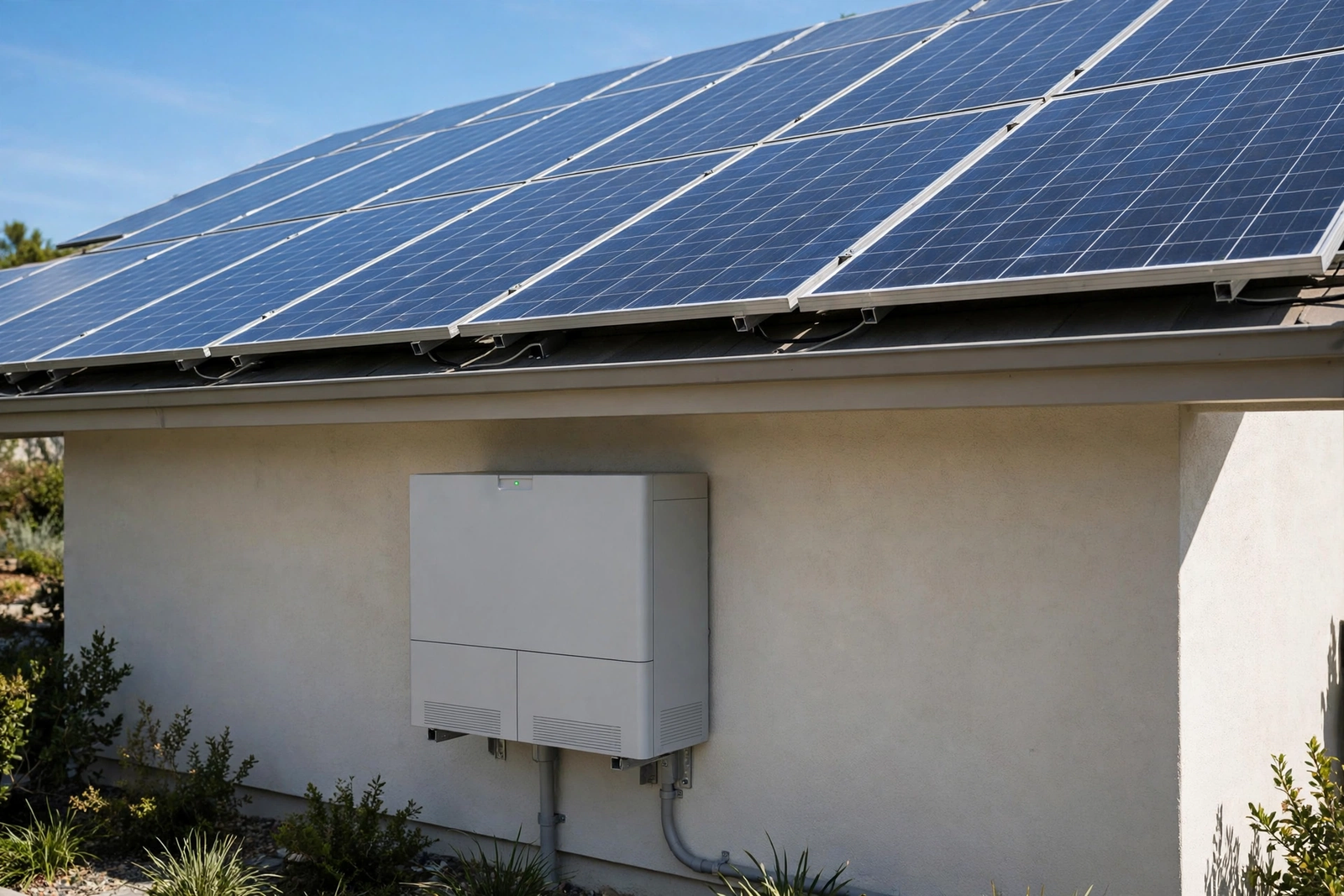
This modularity is great if your budget is tight today but your needs may grow. Start with one or two units, then add more later. The 15-year warranty is among the longest in the business, and everything runs on LFP chemistry, known for long cycle life and strong safety.
Where does Enphase fall short? Power per unit is lower than Tesla’s. Heavy-load homes, therefore, may need several units. And if you don’t have Enphase microinverters already, you pay for ecosystem benefits you don’t fully use.
FranklinWH
FranklinWH made its name by going big. The aPower 2 packs 15 kWh of usable storage into a single unit, with 10 kW continuous and 15 kW peak output for motor starts. That’s enough muscle, in fact, to start central air conditioning and keep heavy loads running.
The company also offers the aGate, a smart energy hub that decides which loads get power during an outage. If your main goal is surviving long blackouts with as few compromises as possible, FranklinWH deserves a spot on your shortlist.
The catch is price. FranklinWH systems typically cost more installed than a single Powerwall 3. For small homes or light backup needs, it’s arguably more than you need.
Generac
Generac is the generator company, and that heritage shows. The PWRcell battery system, specifically, is built for serious backup, with configurable capacity up to around 18 kWh and pairing with Generac home generators. When the battery runs low, the generator kicks in automatically.
That hybrid approach is ideal for rural homes and areas with multi-day outages. You get silent battery power for a day or two. Meanwhile, the generator covers the long haul. Few other companies match this combo.
But PWRcell is a more complex system. That means you’ll need a Generac-certified installer to do it right. If you live in a city with a stable grid and just want to shift solar power into the evening, a simpler system may serve you better.
sonnen
sonnen is a German company with a loyal following. Its sonnenBatterie, for example, is one of the smartest batteries you can buy. The software focuses on self-consumption: using as much of your own solar as possible instead of buying from the grid.
sonnen also leads in grid programs. In several regions, sonnen battery owners can join virtual power plant programs and earn payments when the grid borrows their stored energy during peak hours. Recent industry reports put VPP earnings at roughly $150 to $420 per year, although this varies a lot by location and program.
The trade-off, nevertheless, is premium pricing. sonnen is rarely the cheapest quote you’ll get. Buy it for the software and long-term energy management, not for the lowest price per kWh.
BYD
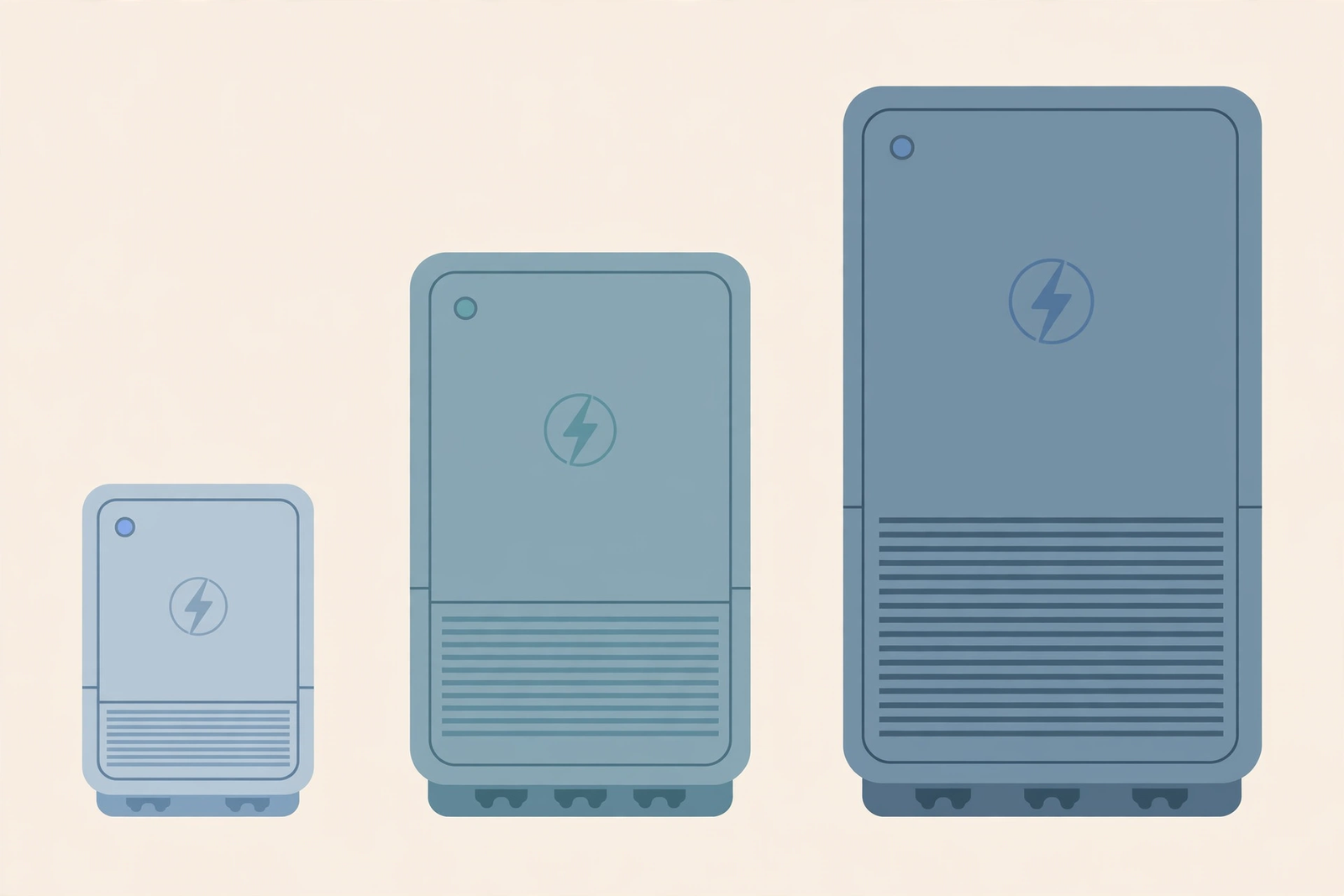
BYD is one of the world’s largest battery makers, and the Battery-Box is its residential flagship. It’s a modular system: you stack battery modules to reach your target capacity, with options going from small homes all the way up to large properties.
The Battery-Box uses LFP chemistry and pairs with inverters from several manufacturers. As a result, you get flexibility to shop around for the inverter separately. It’s a strong pick, accordingly, for installers and homeowners who want a system that can grow from, say, 10 kWh today to 30 kWh in a few years.
The main weakness is brand familiarity. In some markets, BYD has fewer certified installers than Tesla or Enphase, which can make quotes harder to compare. Ask your installer, then, how many Battery-Box systems they’ve actually installed.
LG
LG Energy Solution’s RESU Prime is the value play in this lineup. A 16 kWh unit is one of the largest single-box capacities available, and per kWh it’s typically cheaper than premium rivals. For homeowners whose main goal is maximizing stored energy for the money, it’s hard to beat.
Continuous output is more modest at around 7 kW. It’s better suited to moderate loads than to running everything at once. Think of it as a big tank with a medium-size tap.
LG is a huge, established battery manufacturer, which gives some buyers extra confidence in warranty support. Still, be clear with your installer about which loads you expect to run at the same time, because 7 kW is the number that matters most.
How to Choose: A 3-Step Sizing Framework
Here’s the method most good installers use. In fact, you can run it yourself. Do this before anyone visits your home.
Step 1: Pick your backup goal
There are really only two goals. Goal A: keep the essentials running during an outage (fridge, lights, Wi-Fi, phones). Goal B: run the whole house, including air conditioning and laundry. Goal A needs far less battery than goal B, which means being honest about which one you want saves you thousands.
Step 2: Do the backup-hour math
Add up the wattage of the loads you want to run, then divide the battery’s kWh by that total. Here’s a real example: a fridge (150W) plus lights (100W) plus router (50W) plus phone charging (50W) is 350W. A 13.5 kWh battery divided by 0.35 kW gives you about 38 hours. That’s your critical-load backup time, in other words.
Now try whole-home: a typical 2,500 sq ft home with air conditioning draws roughly 2,500W. That same 13.5 kWh battery, therefore, gives you about 5.4 hours. See why the goal matters? Ask your installer to run this calculation for both a winter outage and a summer outage before you sign anything.
Step 3: Size for your solar, not just your house
A battery recharges from your solar panels during the day. As a rough rule, pair about 1 kWh of battery for every 200W of solar capacity if you want a full recharge on a decent sun day. A 5 kW solar array, for instance, can realistically refill a 10 to 15 kWh battery daily. Oversizing the battery without enough solar just means it sits half empty.
Pairing Storage With Solar and EV Charging
A home battery, though, works best as part of a team. Solar panels charge it during the day, and at night it powers your home instead of pulling expensive grid electricity. This pairing is what keeps you running through multi-day outages: the battery carries you through the night, and the panels refill it each morning.
EV owners get an extra benefit. A home EV charger draws a lot of power, often 7 to 10 kW, which means charging your car from a single battery alone isn’t realistic for most homes. Instead, schedule EV charging for hours when your solar is producing, and let the battery handle the house. Some storage apps now coordinate with EV chargers automatically.
One honest warning: if you’re adding both a battery and a charger, check your main electrical panel first. Many older homes need a panel upgrade to 200 amps before they can handle both. It’s a common surprise, which is why you should ask your electrician about it early.
Budget matters too. If you’re planning the full setup, it’s worth researching the cost of installing a home EV charger alongside battery quotes, letting you plan the whole project at once. Getting both installed in one visit often saves on labor.
What Installation Actually Looks Like
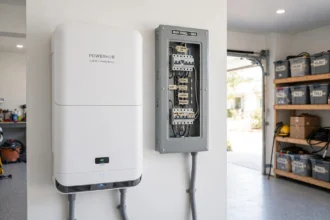
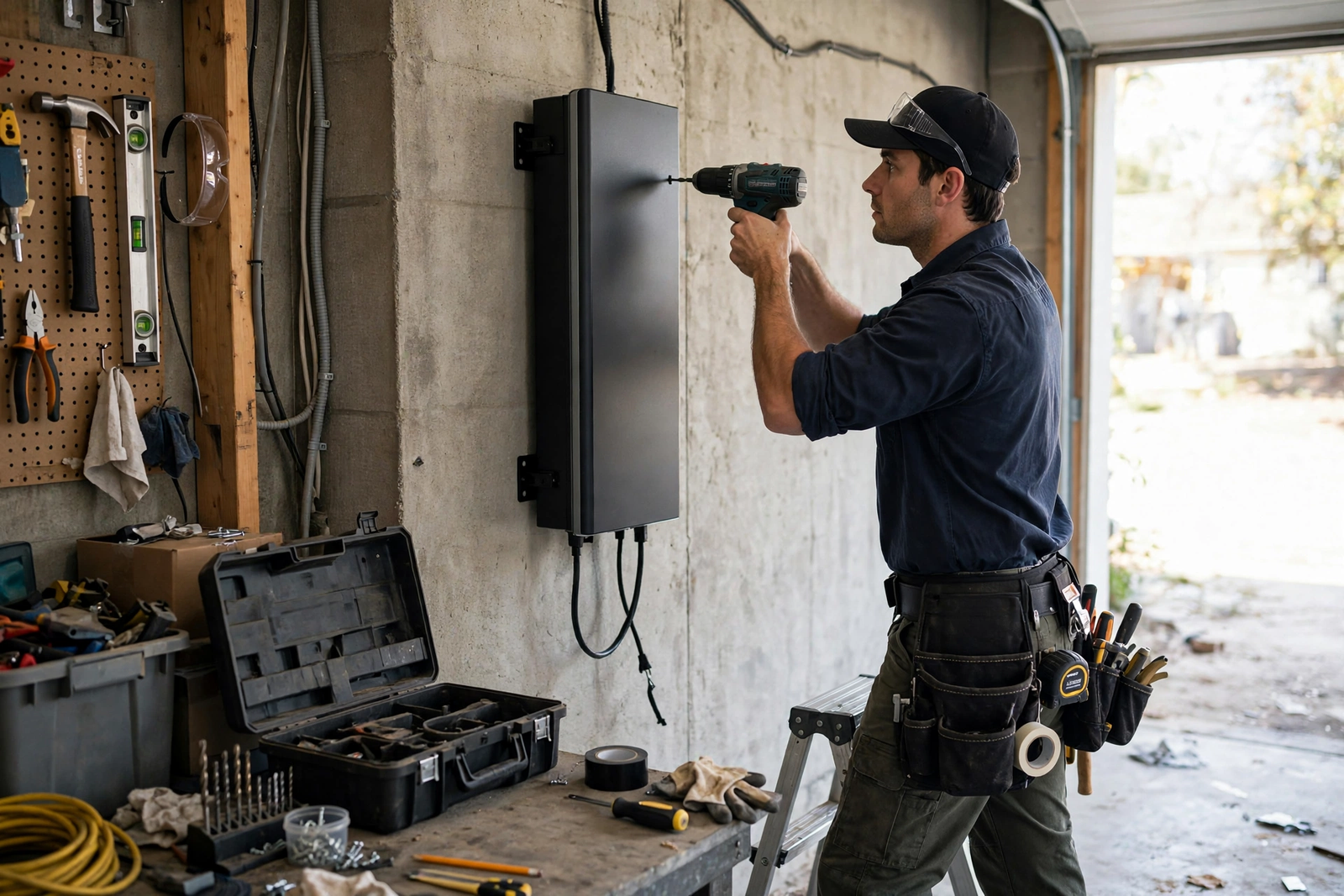
Wondering what you’re signing up for? A typical home battery install, meanwhile, takes one to two days on site. First, the battery mounts on a garage wall. Next, it’s wired into your main panel through a backup gateway or transfer switch. That switch is what lets your home run off the battery when the grid drops.
Permits are part of the process in most areas. Your installer usually handles them, but the paperwork can add one to three weeks before work starts. Some battery locations, in particular, need clearance space for ventilation. Garages with room to spare are thus ideal.
One mistake to avoid: buying the battery before checking your utility’s rules. Some utilities require specific settings or paperwork for battery systems, and a few cap how much you can export back to the grid. Before you sign, read this government overview of battery backup systems to learn the parts involved. A quick call to your utility afterward can prevent real headaches.
FAQs
Which company makes the best home battery in 2026?
There’s no single winner for every home. Tesla’s Powerwall 3 is the best all-round option for whole-home backup thanks to its 11.5 kW output. Enphase is the best fit for homes with Enphase solar, and FranklinWH suits heavy-load homes. Pick based on your loads and existing equipment, not just the brand name.
How long will a home battery last during a power outage?
It depends on what you run. A 13.5 kWh battery can power essential loads (fridge, lights, Wi-Fi) for roughly 38 hours, but only about 5 hours if you’re running a whole house with air conditioning. Since solar panels recharge the battery each day, adding panels extends your backup time. Always ask your installer for a winter and summer outage estimate.
Is a bigger battery always better?
Not really. For example, an oversized battery without enough solar panels will rarely fill up. You’ve paid for capacity you can’t use. As a rough guide, pair about 1 kWh of battery for every 200W of solar capacity. Nevertheless, a good installer sizes the battery to your actual loads and your solar output, not to the biggest box available.
How long do home batteries last?
Most modern home batteries, for example, use LFP chemistry, which typically handles 3,000 to 6,000 charge cycles. In real terms, that’s about 10 to 15 years of normal use. Warranties in this category run 10 to 15 years. Note, however, that warranties usually guarantee a minimum remaining capacity, often around 70%, not the full original capacity.
Can I add a battery to my existing solar panels?
Yes, in most cases. AC-coupled batteries like the Enphase IQ Battery and FranklinWH aPower work with most existing solar inverters. Tesla’s Powerwall 3 also works in AC mode with existing systems. Indeed, your installer will check your current inverter and panel setup to confirm compatibility before quoting.
Do home batteries qualify for tax credits?
Incentives change often and vary by country, state, and utility. Don’t rely on old blog posts. In the US, check the current federal tax credit status and your state’s programs before you buy. For instance, the UK government’s consumer guide to green heating and insulation products includes battery-specific buying advice. Ask your installer what’s active in your area.
Final Thoughts
The best energy storage company for your home is the one that matches your loads, your solar setup, and your budget. In short, start with the backup-hour math in the sizing section above, shortlist two or three companies from this guide, and get quotes from certified installers for each. A well-sized system from a company with strong local installer support will, moreover, beat an oversized one from a famous brand every time.
Ready to plan yours? First, list your essential loads, check your solar capacity, and book quotes from two installers who carry different brands. Finally, comparing real quotes is the fastest way to find your answer.