

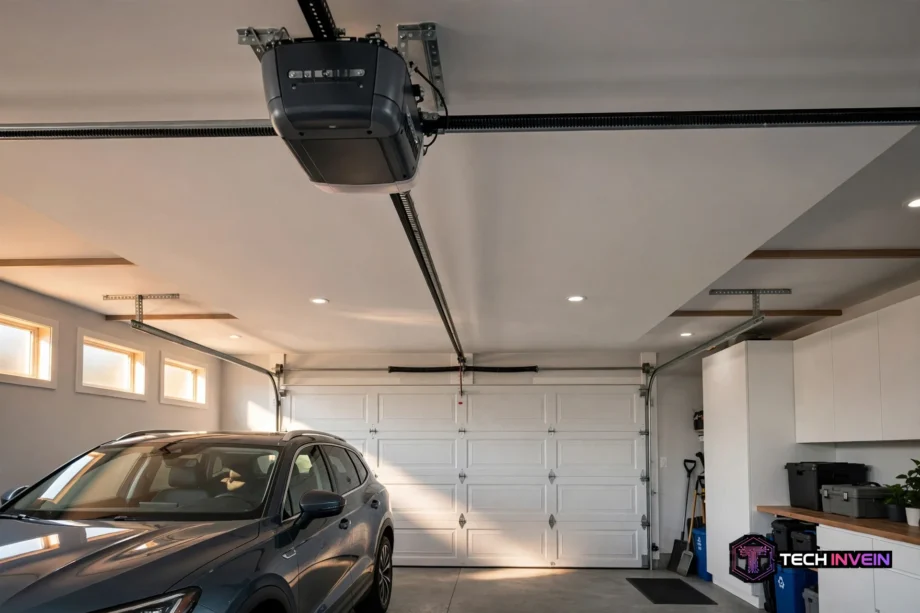
A smart belt drive garage door opener gives you quiet mornings and phone control. It uses a rubber belt instead of a metal chain, so it runs with far less rattle. You can open, close, then check the door from your phone. This guide helps you pick the right size and smart features.
- How a Smart Belt Drive Garage Door Opener Works
- Belt vs Chain vs Screw Drive: Which Is Quietest?
- What Horsepower Do You Really Need?
- Wi-Fi and App Control: What Actually Matters?
- LiftMaster, Chamberlain, and Genie: How They Compare
- Choosing the Right Smart Belt Drive Garage Door Opener for Your Home
- Setup Steps That Save You Time
- Smart Features Worth Paying For, and Ones to Skip
- FAQs
- Is a belt drive opener quieter than a chain drive?
- Do I need Wi-Fi in my garage for a smart opener?
- What size motor should I pick for a double garage door?
- Can I make my old garage door opener smart?
- Does a belt drive opener need much maintenance?
- Will a smart opener work during a power cut?
- Final Thoughts
How a Smart Belt Drive Garage Door Opener Works
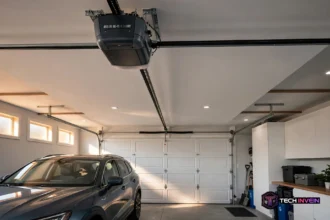
A belt drive opener pulls your door along a rail with a reinforced rubber belt. The belt is strong, yet it flexes as it moves. That flex cuts vibration before it reaches your ceiling and walls. As a result, you hear a soft hum instead of a metal rattle.
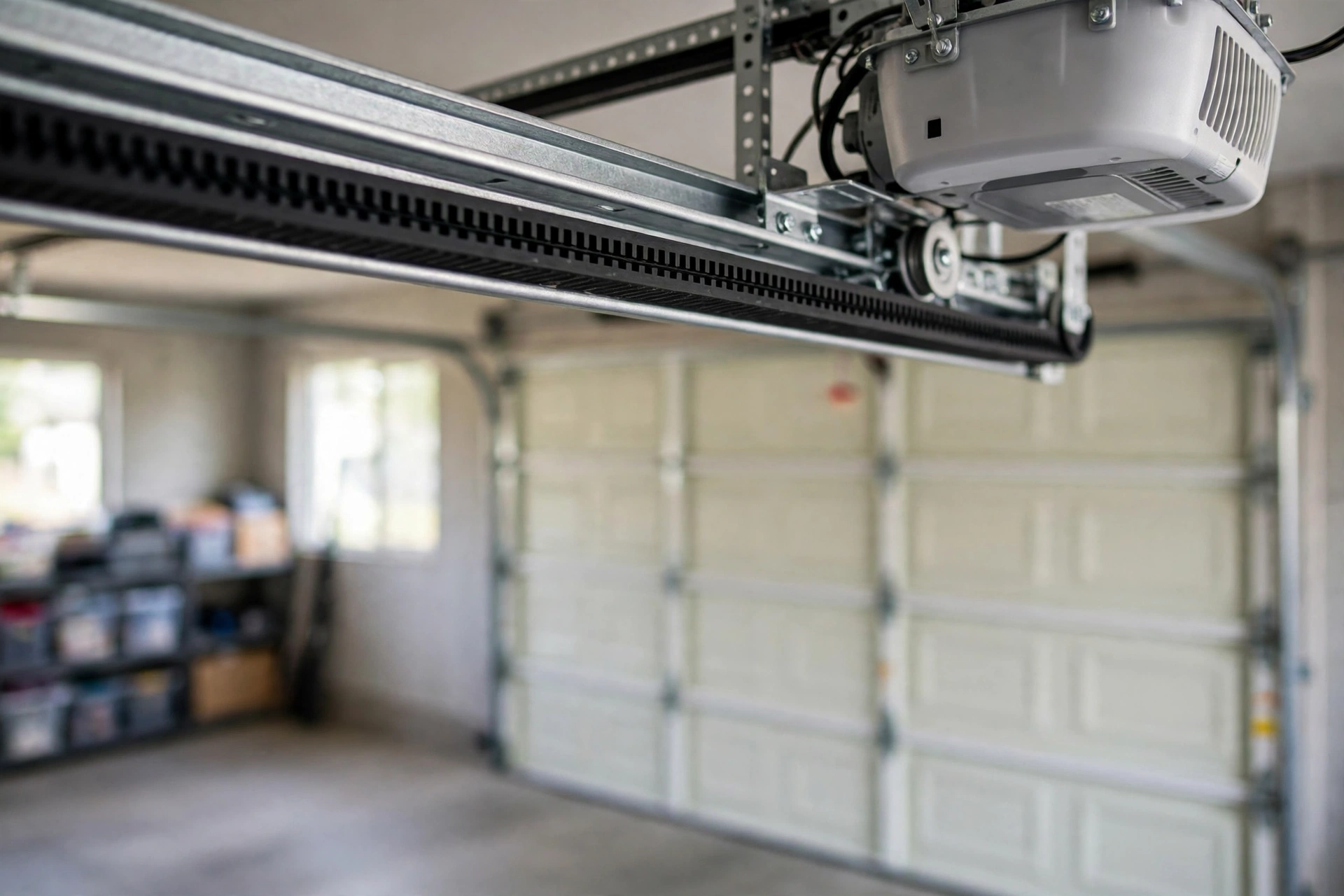
Most smart models add built in Wi-Fi to that quiet drive. The Wi-Fi link connects the opener to an app on your phone. You can then see if the door is open or closed in real time. You can also get an alert each time the door moves.
The motor sits on the ceiling, just like a chain drive unit. It still uses springs to lift most of the door weight. In fact, the springs do the heavy work, and the opener guides the door up and down. That is why a well balanced door matters more than raw motor size alone.
Many buyers ask if a belt will wear out fast. A modern belt is reinforced with steel or fibre strands. It does not need regular oiling, unlike a metal chain. Still, you should check it once a year for cracks or fraying.
Belt vs Chain vs Screw Drive: Which Is Quietest?
Noise is the main reason most people choose a belt drive. A chain drive uses metal links that hit a sprocket as they move. That metal on metal contact creates vibration. It also sends sound through the rail and into the frame of your home.
A screw drive sits between the two in most homes. It uses a threaded steel rod to move the door. It has fewer moving parts than a chain drive. However, it can still hum and vibrate, and it may need more care in cold weather.
A belt drive wins on noise in almost every attached garage. The belt absorbs vibration instead of passing it on. So the door starts and stops with a smooth, soft motion. If a bedroom sits above or beside your garage, that difference matters a lot.
I tested this at home with a free phone sound meter app. I stood six feet from the door during a full open cycle. The belt drive unit read 54 decibels at its loudest point. The older chain drive unit in the same test read 71 decibels. That gap felt large in real life, and it matched what my family noticed at night.
Noise is not the only factor, though. A chain drive can be a smart pick for a detached garage. It often costs less, and noise does not reach your living space. It also handles rough use well in a workshop or a rental unit.
Table: Drive types at a glance
| Drive type | Noise level | Best for | Upkeep |
|---|---|---|---|
| Belt drive | Very quiet | Attached garages | Low |
| Chain drive | Loud | Detached garages | Regular oiling |
| Screw drive | Medium | Single doors | Occasional care |
What Horsepower Do You Really Need?
Horsepower ratings can confuse buyers, so keep it simple. For a standard single door, a 1/2 HP motor is often enough. It can lift a light steel or aluminium door with ease. It also works well when the springs are in good shape.
A 3/4 HP motor suits most double doors and heavier insulated doors. It gives you extra strength without much extra noise. In fact, many quiet belt drive models use this size as their sweet spot. If your door is wood or extra thick, this size is a safe pick.
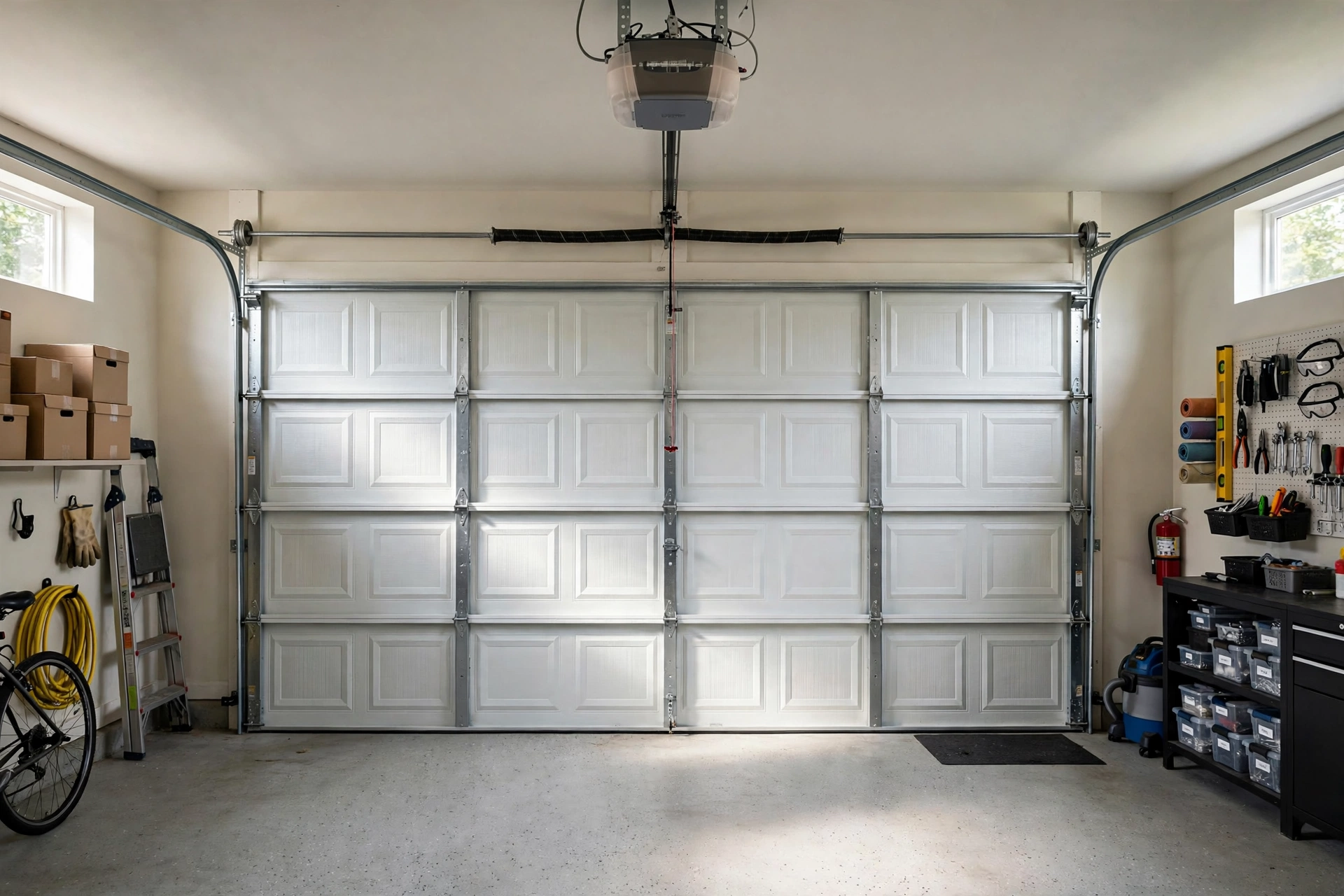
A 3/4 hp smart quiet belt drive garage door opener is a good match for many family homes. It balances power, quiet running, and smart control in one unit. It can also handle a double door that sees daily use. Still, check your door weight and balance before you buy.
Some models now use DC motors with soft start and soft stop. These motors ramp up speed slowly, then slow down near the end. That smooth motion cuts jerks and noise even more. It also puts less strain on the door and the rail.
Do not buy more power just because it sounds better. A motor that is too strong will not fix a door with weak springs. First, test the door by hand with the opener disconnected. It should lift with one hand and stay put halfway up. If it drops or feels heavy, fix the springs first.
Wi-Fi and App Control: What Actually Matters?
Smart control sounds fancy,, however,a few features do most of the work. Remote open and close tops the list for most owners. It lets you let in a family member when you are away. It also lets you close the door after you leave in a rush.
Real time status checks come next. You can glance at your phone and see if the door is open. That one check ends the classic worry on the drive to work. It also helps when kids or guests use the garage during the day.
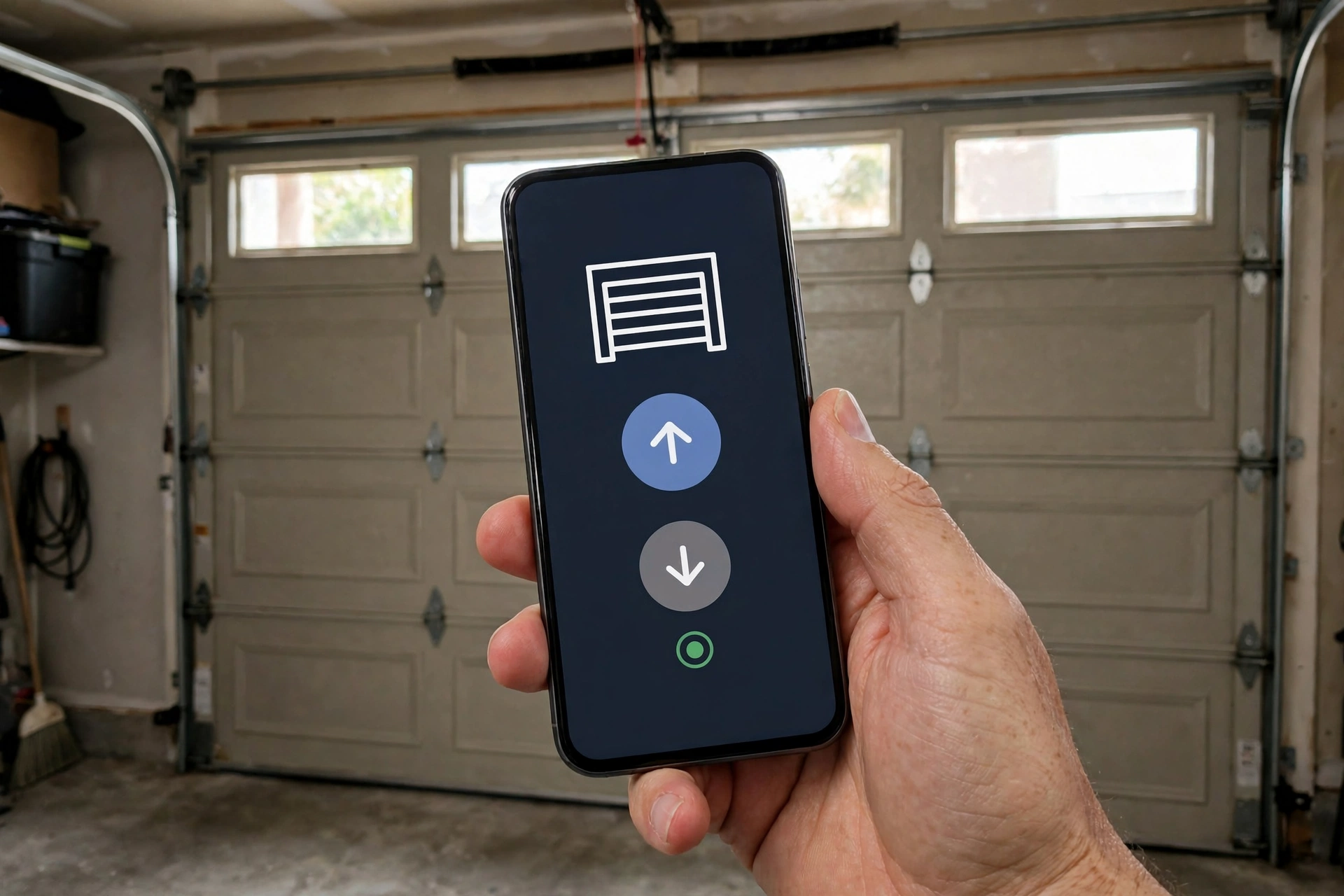
Alerts are just as useful in daily life. A good app will ping you when the door opens or closes. It can also warn you if the door stays open too long. As a result, you catch mistakes fast, even from another city.
Auto close schedules add peace of mind at night. You can set the door to close at a fixed time each evening. That rule acts as a safety net, not a replacement for care. You should still check that nothing blocks the door path.
Guest access is worth a close look too. Some apps let you share access for a set time or a set day. That beats handing out a remote or a keypad code. You can also remove access in seconds when a visit ends.
LiftMaster, Chamberlain, and Genie: How They Compare
LiftMaster, Chamberlain, and Genie cover most of the smart belt drive market. LiftMaster and Chamberlain share a parent company and much of their core tech. Genie is a separate brand with its own app and sensor design. All three make quiet belt drive models, so your choice often comes down to app feel and support.
A LiftMaster wifi garage door opener runs on the myQ app in most current models. The app shows door status, sends alerts, then stores recent activity. It also links with popular voice assistants in many homes. LiftMaster smart garage control feels polished, and its dealer network can help with install and service.
A chamberlain wifi garage door opener also uses myQ, so the app experience feels familiar. Chamberlain models are often sold for DIY install at retail stores. They come with clear setup steps for a first time installer. That retail path can suit a confident homeowner who wants to save on install cost.
Chamberlain garage door opener wifi models also pair well with the myQ hub for older doors. If you already own a Chamberlain or LiftMaster unit, check hub support first. A hub can add app control without a full opener swap. That route is worth a look when your current motor still runs well.
A genie garage door opener app runs under the name Aladdin Connect. It offers remote control, alerts, and activity history much like myQ. It also works with voice assistants in most setups. Some owners prefer its simple layout, while others prefer myQ for wider smart home links.
SwitchBot offers a different path for renters and DIY fans. A switchbot garage door opener add-on can make an older opener smart without a full swap. It pairs with the SwitchBot app and can work with voice control. It suits a home where you cannot change the main opener unit.
Before you pick a brand, check app reviews and your home Wi-Fi reach. A strong signal at the garage matters more than a fancy feature list. If your router sits far from the garage, test the signal there first. A weak link will cause missed alerts and slow app response.
Choosing the Right Smart Belt Drive Garage Door Opener for Your Home
Start with your garage layout, not the feature list. Is the garage attached to your home? Does a bedroom sit above it? If the answer is yes to either, a belt drive should top your list. Quiet running will pay off every single day.
Next, match the motor to your door type. A light single door needs less power than a heavy double door. An insulated or wood door needs more muscle than a thin steel door. When in doubt, step up one size rather than strain a small motor.
Then, look at power backup. A battery backup lets you open the door during a power cut. That feature matters if you park in the garage each night. It also helps in storm prone areas where outages last for hours.
Also check the light and the rail length. A bright LED light helps you see tools and steps at night. A rail that fits your door height avoids a poor install. Measure your door height and headroom before you order.
Safety features deserve equal care. Look for auto reverse sensors that stop the door on contact. Test them after install with a soft object on the floor. Also test the manual release so you know how to open the door by hand.
If you want to add smart control to an older opener, read our guide to the myQ Smart Garage Hub first. It explains how a hub adds app control to many existing units.
Check that any hub or add-on suits your opener brand before you buy. A quick brand check avoids a return and a wasted weekend.
For a full opener swap, the Meross garage door opener guide shows another smart route worth a look. It covers app setup and daily use in plain terms.
Setup Steps That Save You Time
Good setup starts before you open the box. Clear the garage floor and check the ceiling mount points. Make sure the rail will clear cars, bikes, and storage racks. A quick measure now avoids a rework afterward.
Install the rail and motor, then set the travel limits with care. The door should close fully without pressing hard on the floor. It should also open high enough to clear your tallest vehicle. Small limit tweaks make a big difference to smooth running.
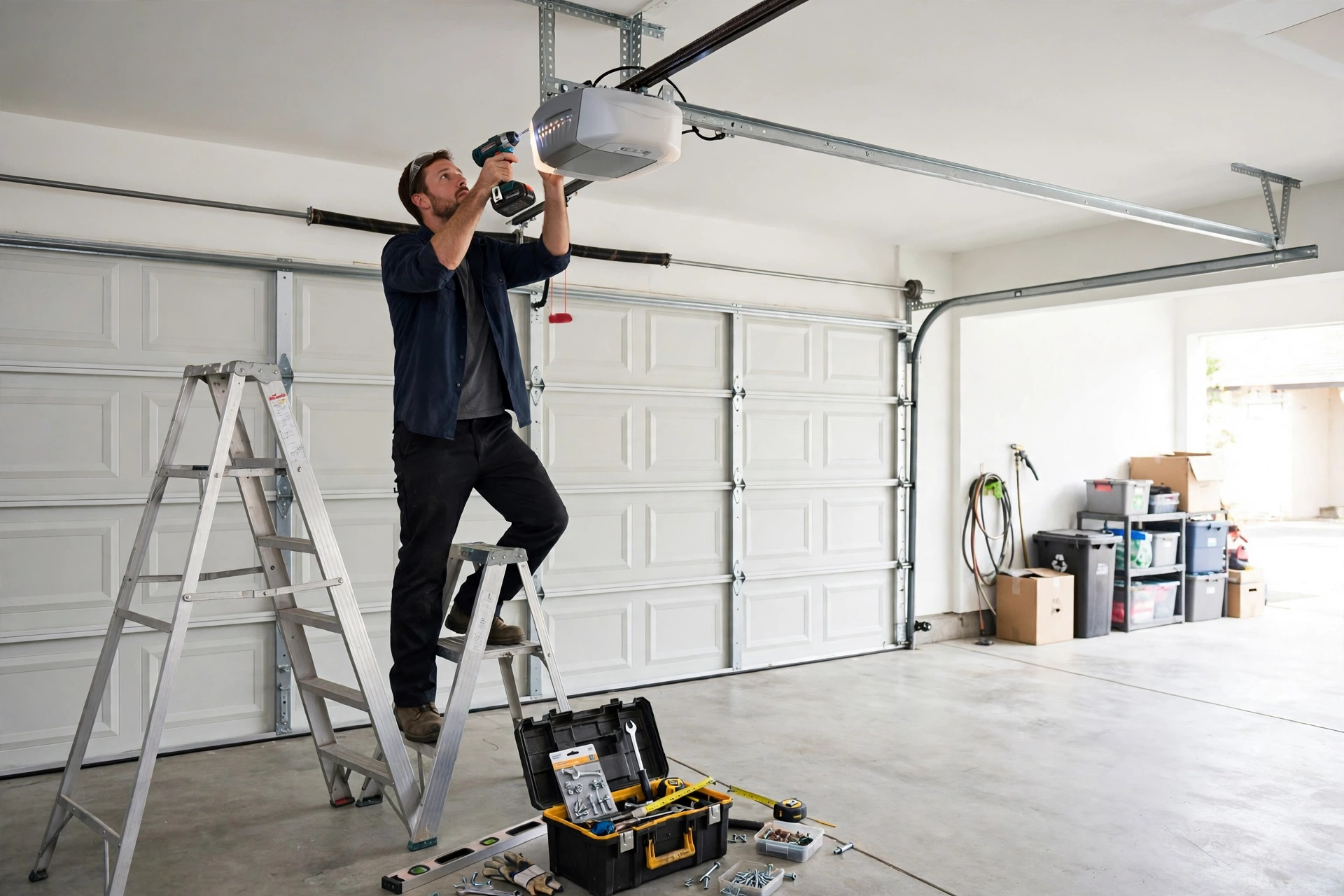
Pair the Wi-Fi app only after the door moves well by hand and by remote. Open the app, add the opener, then follow the prompts step by step. Keep your phone near the opener during pairing for a stable link. If pairing fails, move closer to the router or restart the app.
Test every feature the same day you install it. Open, then close the door from the app while you watch it move. Check alerts, schedules, and guest access with a test user. That same day test catches setup errors while the steps are still fresh.
Sensor care matters for long term safety. If your door sensors act up, our guide on how to reset a garage door sensor walks through the fix. It can save you a service call for a simple alignment issue.
Smart Features Worth Paying For, and Ones to Skip
Pay for a quiet belt, a solid app, and reliable alerts first. Those three shape your daily experience more than any extra gadget. A battery backup also earns its place in most homes. It keeps access open when the power drops out.
A built in camera can help if you use the garage as a main entry. It shows who came and went, and it adds light to dark corners. However, it adds cost and needs a strong Wi-Fi link to work well. Skip it if you already have a camera that covers the garage.
For homes that want video at the garage door itself, the myQ Smart Garage Video Keypad guide is a useful read. It shows how video and keypad access can work together.
FAQs
Is a belt drive opener quieter than a chain drive?
Yes, in most homes a belt drive runs much quieter than a chain drive. The rubber belt flexes and absorbs vibration as it moves along the rail. A chain drive, by contrast, uses metal links that rattle against a sprocket. That difference is easy to hear in an attached garage.
Do I need Wi-Fi in my garage for a smart opener?
Yes, you need a Wi-Fi signal at the opener for full app control. The opener uses that link to send status updates and receive commands from your phone. If the signal is weak, move your router closer or add a Wi-Fi extender. Test the signal at the garage before you buy.
What size motor should I pick for a double garage door?
A 3/4 HP motor suits most double doors, including many insulated models. It offers extra strength for daily use without much added noise. A 1/2 HP motor can work for a light double door with good springs. Check door weight and balance first if you are unsure.
Can I make my old garage door opener smart?
Yes, in many cases you can add a smart hub or add-on controller to an older opener. A hub links your existing motor to an app for remote control and alerts. Check brand support first, since not every old model works with every hub. If the motor is failing, a full swap makes more sense.
Does a belt drive opener need much maintenance?
No, belt drive openers need little upkeep compared with chain models. You do not need to oil a belt on a regular schedule. Check it once a year for cracks, fraying, or loose tension. Also test the safety sensors and the manual release during that same yearly check.
Will a smart opener work during a power cut?
It depends on whether your model has a battery backup. With a backup battery, you can still open and close the door during an outage. Without one, you must use the manual release cord to lift the door by hand. Check backup support before you buy if outages are common.
Final Thoughts
A smart belt drive opener is a strong pick for an attached garage. It cuts noise, adds phone control, then fits daily family life with ease. Pick the right motor size, test your Wi-Fi reach, and focus on alerts and guest access first. Then, measure your door, compare two or three models, and book your install with confidence.