
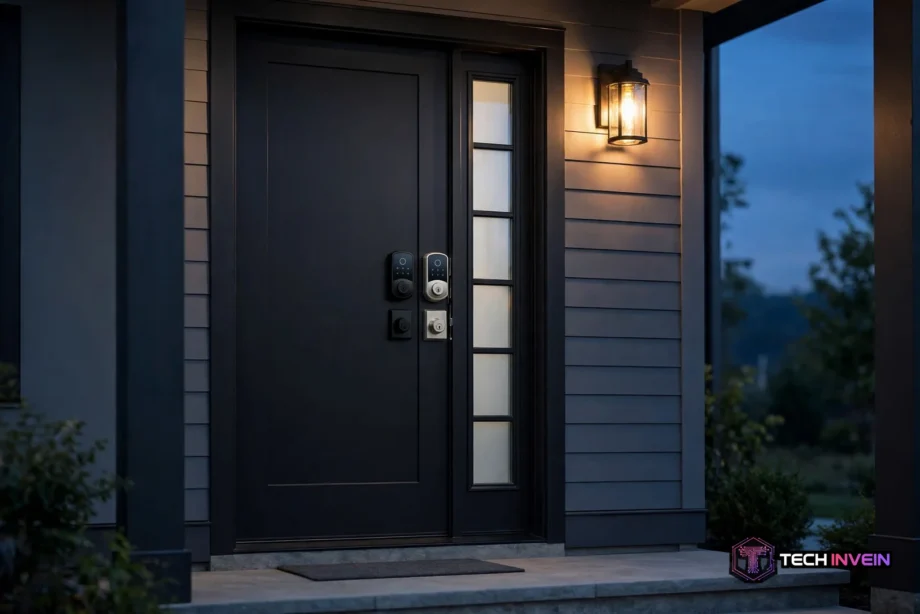
Should you buy Kwikset vs Schlage for your front door? Schlage wins on raw security and build strength, while Kwikset wins on price and easy rekeying. Your best pick depends on what you value more: a tougher lock, or a cheaper lock you can rekey in seconds.
- Which Brand Wins at a Glance
- Kwikset vs Schlage: Security and Build Quality
- Kwikset vs Schlage Locks: Smart Features and Apps
- Price and Value
- Rekeying, Codes, and Everyday Use
- Installation and Fit
- Which One Should You Buy?
- FAQs
- Is Schlage better than Kwikset?
- Are Schlage locks worth the extra money?
- Can I rekey a Schlage lock myself like Kwikset SmartKey?
- Do Kwikset and Schlage locks work without Wi-Fi?
- Which lock lasts longer on batteries?
- Should I choose Schlage or Kwikset for a rental property?
- The Bottom Line
Which Brand Wins at a Glance
Both brands sell good locks. Neither one is junk, and neither one is perfect. Schlage locks also tend to feel heavier and more solid in your hand. Kwikset locks tend to cost less and feel smoother to turn.
So the real question is not which brand is better in general. It is which brand fits your door, your budget, and your daily routine. A rental owner with high turnover needs a different lock than a homeowner who wants one tough deadbolt on a front door.
Think of it this way. Schlage builds locks like a work truck: heavier, pricier, and made to take abuse. Kwikset builds locks like a smart daily driver: lighter, cheaper, and packed with handy features. Both get you home safe.
Kwikset vs Schlage: Security and Build Quality
Security is where Schlage pulls ahead, and the ratings prove it. Most Schlage smart deadbolts, including the Encode and Encode Plus, carry an ANSI/BHMA Grade 1 rating. That is the highest residential grade you can get.
Still, Grade 1 is not just a label. Under BHMA testing, a Grade 1 lock must survive 800,000 open and close cycles. It must also take 10 strikes from a 75 pound force. A Grade 2 lock, which covers most Kwikset smart locks, must survive 400,000 cycles and 5 strikes. That gap is real.
Pick up both locks and you’ll also feel the difference. Schlage uses thicker bolts and heavier internal parts. Kwikset uses more zinc alloy parts to keep weight and cost down. On a heavy exterior door that faces weather and daily use, that extra heft matters.
Does that mean Kwikset locks are unsafe? No. A Grade 2 deadbolt still stops casual attacks and most forced entry attempts. In fact, most break-ins happen through weak doors, weak frames, or unlocked entries, not through a picked deadbolt. A strong strike plate and long screws in the frame often matter as much as the lock itself.
One more point deserves attention. Schlage’s official Encode Plus page lists a best-in-class BHMA rating for security, durability, and finish, plus a built-in alarm that sounds on forced entry. You can read the full specs on the Schlage Encode Plus product page. In contrast, Kwikset counters with SmartKey Security, which guards against bumping and picking tricks on many models.
If you want a deeper look at how these brands stack up against other options, read our guide to the best smart locks for every home. It puts both brands side by side with Yale and other rivals.
Table: Kwikset Halo vs Schlage Encode Plus at a glance
| Feature | Kwikset Halo | Schlage Encode Plus |
|---|---|---|
| ANSI/BHMA grade | Grade 2 (AAA certified) | Grade 1 |
| User codes | Up to 250 | Up to 100 |
| Power | 4 AA batteries | 4 AA batteries |
| Typical street price | About 150 to 200 dollars | About 300 to 329 dollars |
| Built-in alarm | No | Yes |
| Fingerprint reader | Yes, on Halo Touch | No |
Kwikset vs Schlage Locks: Smart Features and Apps
Both brands offer built-in Wi-Fi on their flagship smart locks. That means you also skip the extra hub in most cases. You lock and unlock from your phone, share codes, and get alerts when someone uses the door.
Meanwhile, Schlage’s Encode Plus stands out for Apple users. It supports Apple Home Key, so you can tap your iPhone or Apple Watch to unlock. It also works with Alexa, Google Assistant, and Matter on newer models. That broad support is rare in one lock.
Kwikset’s Halo line takes a different path. Halo works with Alexa and Google Assistant, and newer Halo Select models add Matter support. What Halo lacks is Apple Home Key on most models. If your whole home runs on Apple, that gap could decide the purchase for you.
Code capacity then flips the story. Halo supports up to 250 user codes, while Encode Plus supports up to 100. For a family home, 100 codes is still plenty. For a rental or a small office, 250 codes gives you more room to grow.
Kwikset lists the full Halo lineup, with code counts and finishes, on its official Halo smart lock page. Check it before you buy, since features vary by exact model. A Halo Touch with fingerprint costs more than a basic Halo keypad model.
Both apps also let you set schedules, view activity, and lock the door from anywhere. In daily use, the apps still feel similar. Schlage’s app leans simple and steady. Kwikset’s app leans friendly and quick to learn. Neither app will wow you, and neither will frustrate you for long.
Want help picking a lock for your main entrance? Our front door smart lock picks rank the best options by door type and budget.
Price and Value
Price is Kwikset’s clearest win. The gap is big. A solid Kwikset deadbolt can cost under 50 dollars. A Halo smart lock often lands near 150 to 200 dollars. Schlage starts higher, and the Encode Plus sits near 300 to 329 dollars.
That price gap then grows when you secure more than one door. Outfitting three doors with Kwikset could cost less than outfitting two doors with Schlage. For a whole house, the savings add up fast.
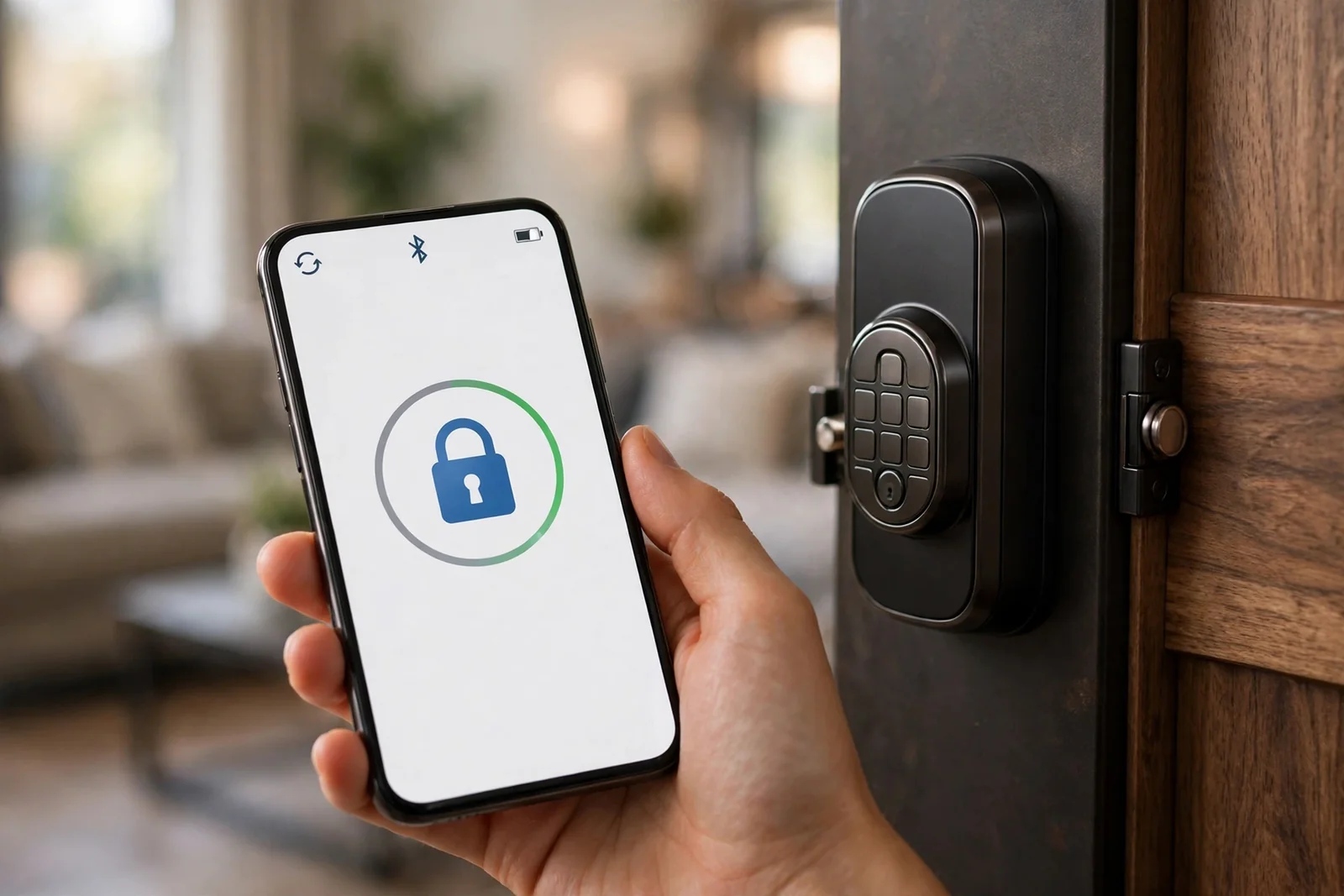
Still, cheap only counts if the lock lasts. Schlage’s heavier build and lifetime mechanical warranty argue for long term value. Kwikset also offers a lifetime mechanical warranty, but only a one year electronics warranty on Halo models. Schlage gives three years on electronics. If the smart parts fail in year two, that difference hits your wallet.
Table: What your money buys with each brand
| Factor | Kwikset | Schlage |
|---|---|---|
| Entry deadbolt price | From under 50 dollars | From about 50 dollars |
| Flagship smart lock price | About 150 to 200 dollars | About 300 to 329 dollars |
| Electronics warranty | 1 year on Halo | 3 years on Encode |
| Mechanical warranty | Lifetime | Lifetime |
So who gives better value? If you want the most lock per dollar, pick Kwikset. If you want the toughest lock and you plan to keep it for a decade, Schlage earns its premium.
Rekeying, Codes, and Everyday Use
Rekeying is where Kwikset changes the game for many owners. SmartKey lets you rekey a Kwikset lock yourself in seconds, with no locksmith and no removal. You insert the current key, turn the SmartKey tool, then insert the new key. Done.
That feature indeed pays off fast for landlords. Between tenants, you rekey in under a minute instead of paying a locksmith visit. It also helps after a breakup, a lost key, or a contractor finishing work. Old keys stop working at once.
Schlage instead takes the old school path. Rekeying a Schlage lock means a locksmith or a pin kit and some skill. It costs more and takes longer. For a single family home that rarely rekeys, that hardly matters. For a rental, it adds up.
In fact, day to day codes work well on both brands. You can give the dog walker a weekday code and give guests a weekend code. Both apps let you set schedules and delete codes in seconds. Our guide on how to add a guest code to a smart lock walks through the setup step by step.
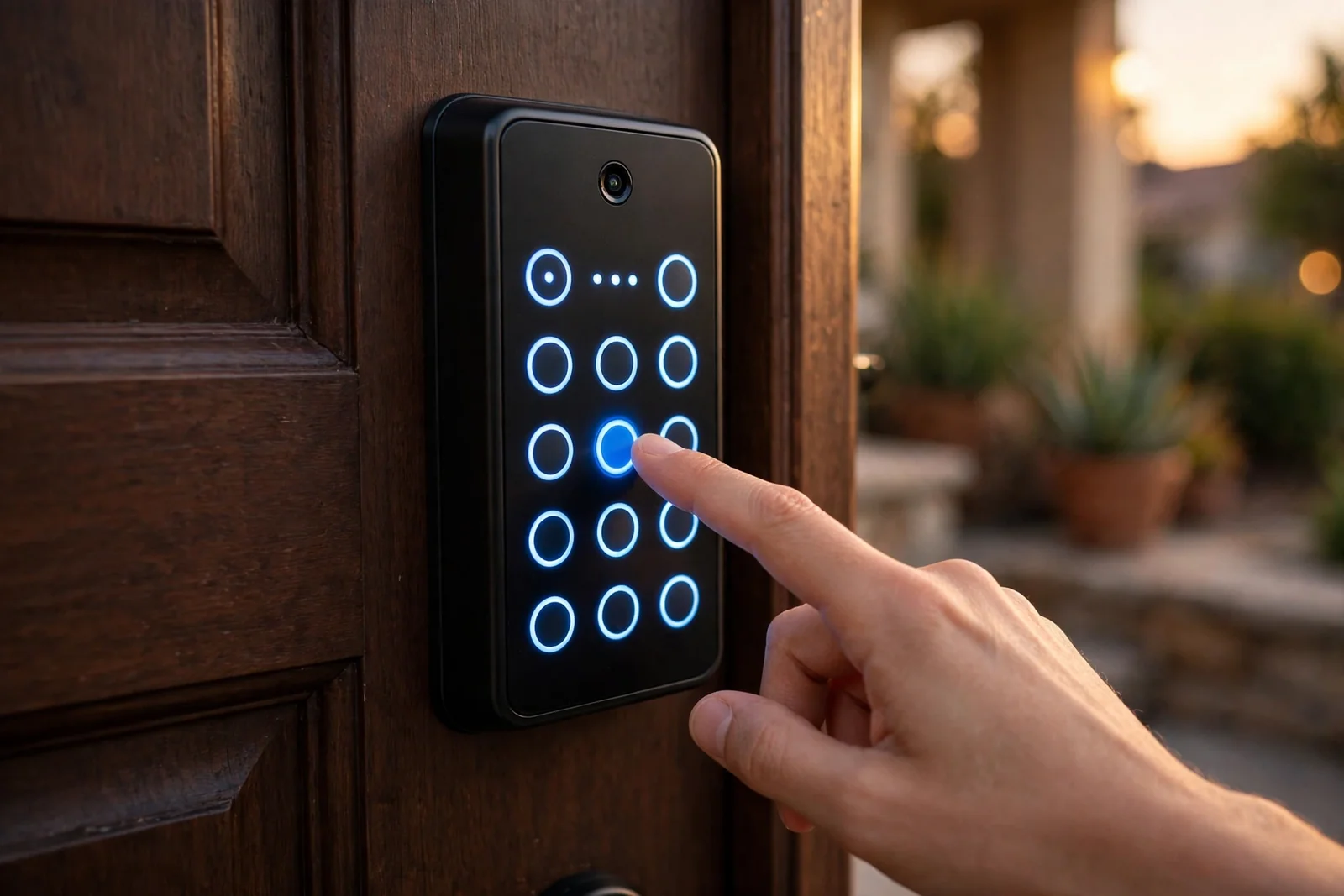
Fingerprints then tip one more point toward Kwikset. Halo Touch reads your finger, so kids and guests never need a code at all. Schlage Encode Plus has no fingerprint reader. If your hands are often full of groceries, that reader feels like magic.
One caution still applies to both brands. Never share your master code with guests. Give each person their own code, then delete it when they no longer need access. That habit protects you more than any brand name.
Installation and Fit
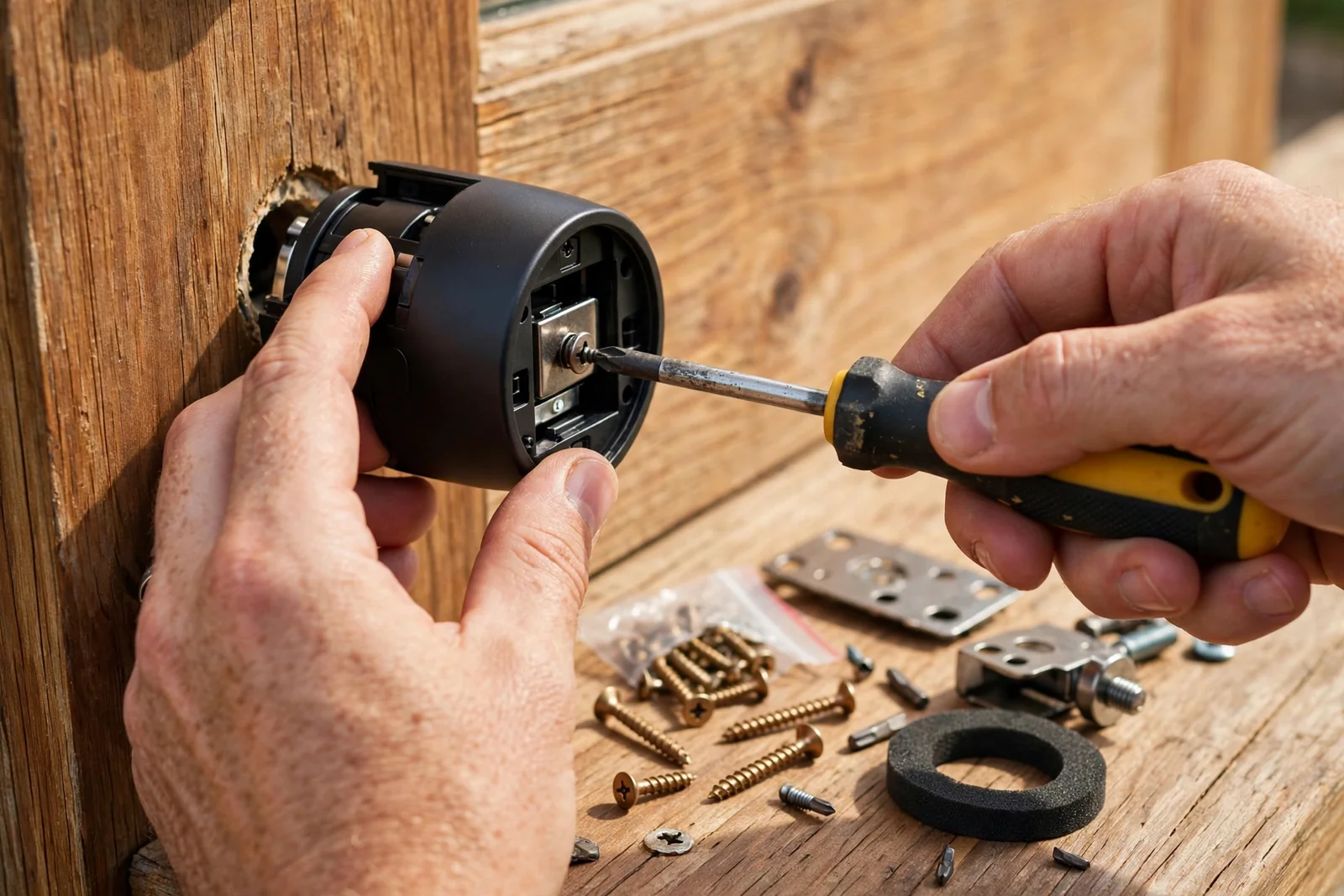
Both brands also install with a screwdriver in about 20 to 30 minutes. You remove the old deadbolt, fit the new bolt, attach the interior panel, and add batteries. No wiring is needed, since both run on AA batteries.
Still, fit matters more than brand here. Measure your door thickness, backset, and cross bore before you order. Most US doors fit fine, but older doors and thick custom doors can cause trouble. A lock that binds will drain batteries and wear out its motor.
Door alignment is the silent killer of smart locks. If the bolt drags against the strike plate, the motor then strains on every lock cycle. Fix the strike alignment first, then install the lock. Your batteries will last months longer.
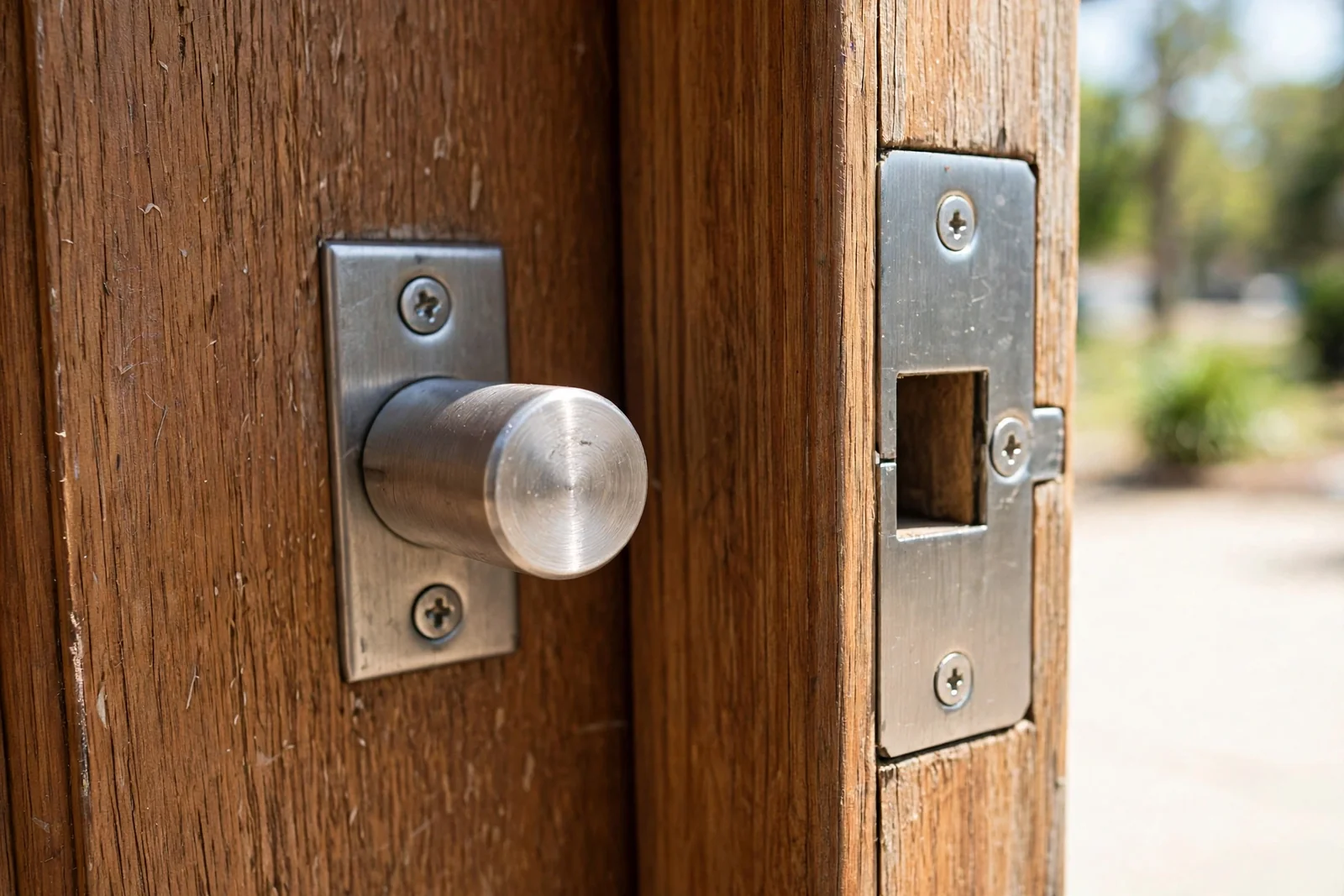
Sliding doors need a different approach entirely. A standard deadbolt won’t fit a sliding door track. If that is your project, read our guide to sliding door smart lock types before you buy anything.
Cold weather also deserves a note. Batteries lose power faster in freezing temps, and metal parts contract. Both brands handle cold about the same, but keep spare batteries inside the house, not in a freezing garage.
Which One Should You Buy?
So, Schlage or Kwikset? Start with your top priority and let it choose for you. Start there. Security first means Schlage. Budget first means Kwikset. Rental turnover means Kwikset, thanks to SmartKey and 250 codes.
Apple Home users should still lean Schlage. The Encode Plus with Home Key is the smoothest Apple setup you can buy. Android and Alexa homes can go either way, since both brands support those platforms well.
Then what about Kwikset vs Schlage locks for a front door with a camera? If you want a lock with a built-in camera, neither flagship fits that need. You pair a deadbolt with a separate doorbell camera instead. Our smart door lock with camera guide explains the best ways to combine the two.
Finally, here is a simple way to decide. Buy Schlage Encode Plus if you want the toughest Grade 1 lock, Apple Home Key, and a built-in alarm. Buy Kwikset Halo if you want to save about 100 dollars or more, rekey in seconds, or use a fingerprint reader.
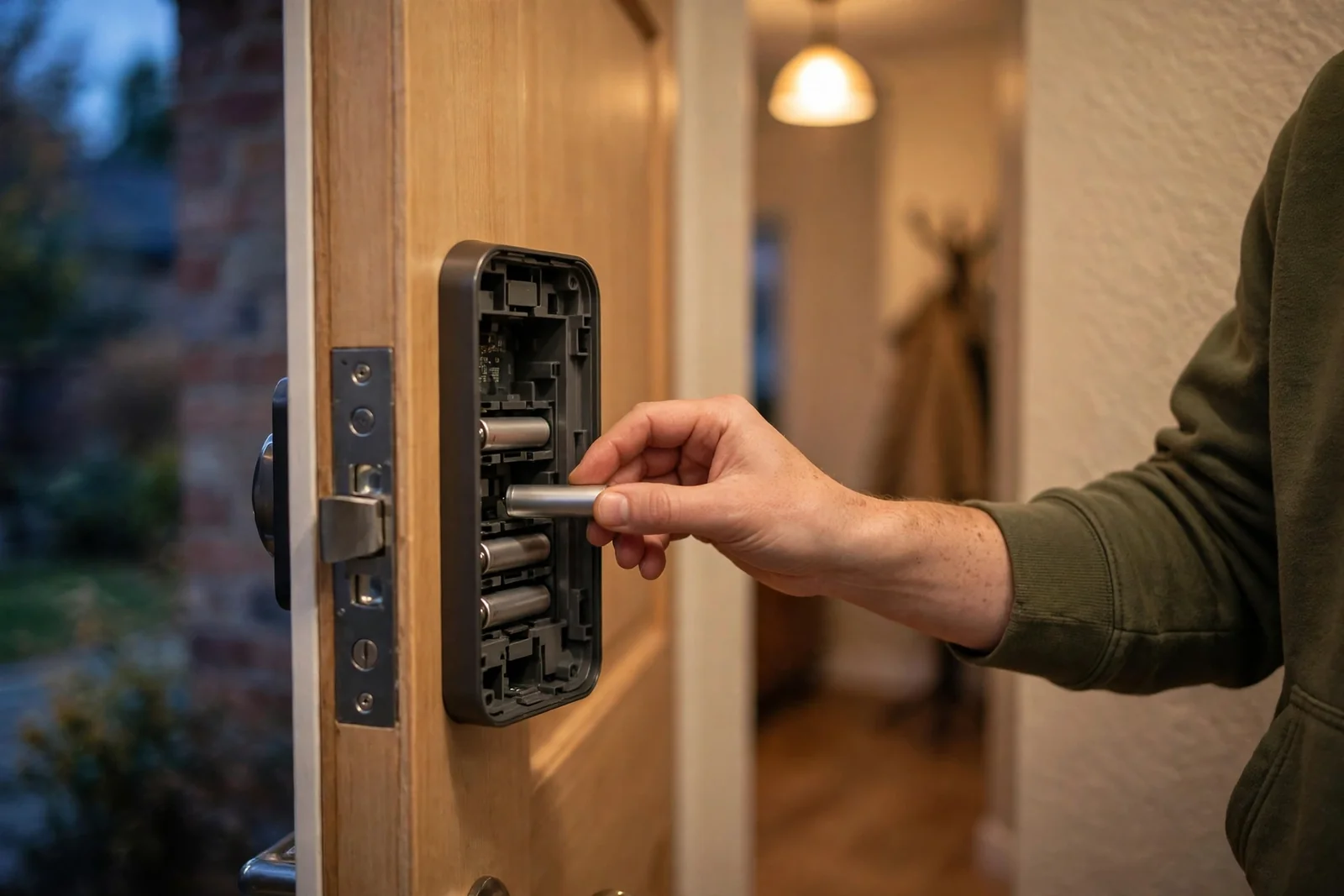
Still torn? Buy one lock first and live with it for a month. You’ll learn fast whether you miss a fingerprint reader, crave Home Key, or wish you had spent less. Then match the rest of your doors to the winner.
FAQs
Is Schlage better than Kwikset?
Schlage is better for raw security and build strength, thanks to Grade 1 ratings and heavier parts. Kwikset is better for price, easy rekeying, and fingerprint models. Neither brand wins every category, so the better lock is the one that matches your door, budget, and smart home setup.
Are Schlage locks worth the extra money?
Yes, if you plan to keep the lock for many years or want the toughest residential rating. The Encode Plus costs about 100 to 150 dollars more than a Halo, but it adds Grade 1 strength, a built-in alarm, and a three year electronics warranty. For a single front door, that premium is easy to justify.
Can I rekey a Schlage lock myself like Kwikset SmartKey?
No, Schlage does not offer a tool-free rekey system like Kwikset SmartKey. Rekeying a Schlage lock needs a locksmith or a pin kit and some practice. If you rekey often, such as between rental tenants, Kwikset saves you real time and money on every turnover.
Do Kwikset and Schlage locks work without Wi-Fi?
Yes, both brands work fine without Wi-Fi for basic locking. You can still use codes, fingerprints, and physical keys at the door. Wi-Fi only adds remote control, alerts, and code changes from your phone. If the internet drops, your codes keep working, so you will never get locked out.
Which lock lasts longer on batteries?
Both brands run on four AA batteries and typically last six to twelve months in normal use. Heavy Wi-Fi use, cold weather, and a binding bolt drain batteries faster on either brand. Fix door alignment first, use quality alkaline batteries, and swap them when the app warns you about low power.
Should I choose Schlage or Kwikset for a rental property?
Kwikset is the smarter rental pick in most cases. SmartKey rekeying takes seconds between tenants, and 250 user codes cover cleaners, guests, and staff with room to spare. Schlage still makes sense for a premium rental where maximum durability and a tougher Grade 1 lock matter more than turnover speed.
The Bottom Line
Schlage locks vs Kwikset comes down to one trade. Schlage gives you strength, Apple Home Key, and a built-in alarm at a premium price. Kwikset gives you value, fast rekeying, and fingerprint convenience at a lower price. Pick the trade that fits your home, then check your door measurements before you order. Your next step is simple: measure the door, choose your winner, and install it this weekend.